Why "Digital Storytelling" Is the Most Important Skill for Coffee Brands
Master digital storytelling for your coffee brand. Discover why it's vital for connecting with modern Indian coffee lovers & sharing your authentic brew.
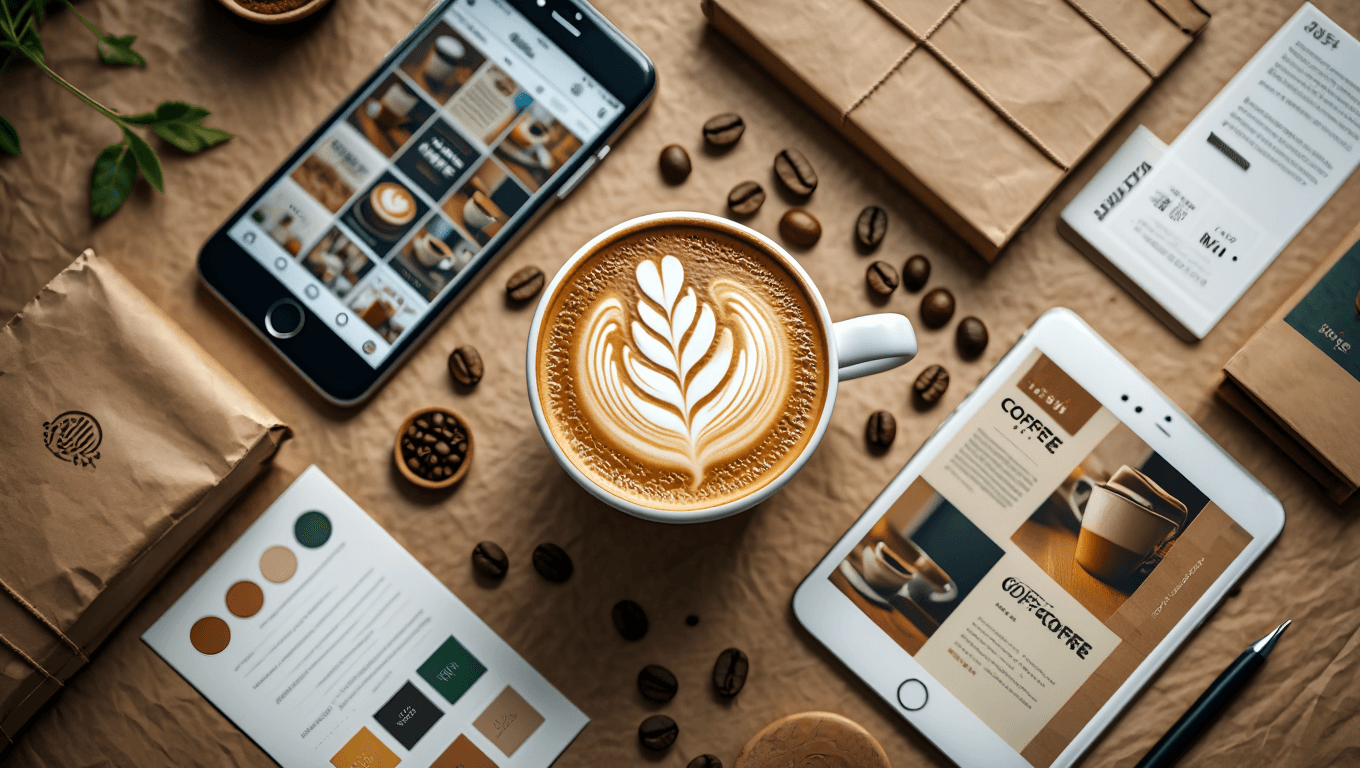
Why is digital storytelling the most important skill for authentic South Indian coffee brands?
In an era where convenience often overshadows craft, digital storytelling serves as the vital bridge between the heritage of the Kaveri banks and the modern kitchen counter. For a brand like Coffee S10 Brews, storytelling isn’t just about marketing; it is about documenting the labor-intensive journey of a coffee cherry from the shaded estates of the Western Ghats to the stainless steel tumblers of Chennai and Bangalore. When consumers search for the best South Indian filter coffee powder, they aren’t just looking for a product; they are looking for a sensory memory. Digital storytelling allows a brand to communicate the "why" behind the 80:20 coffee-chicory blend, the science of the slow-drip decoction, and the cultural nuances that make this ritual unique. By articulating these processes through educational content, a brand transforms from a mere vendor into a trusted custodian of tradition.
How does storytelling help you find the best South Indian filter coffee powder online?
The digital marketplace is flooded with generic "strong coffee" labels, yet the discerning consumer knows that true South Indian filter coffee is defined by its specific profile: a thick body, a lingering caramel-like sweetness, and a distinct lack of astringent bitterness. Authentic storytelling helps consumers identify quality markers such as the elevation of the estates, the specific variety of Arabica and Robusta beans used, and the roasting profile. When Coffee S10 Brews shares the narrative of its small-batch roasting process, it provides the transparency needed to build trust. Consumers can "see" the beans being handpicked and roasted to a medium-dark hue, ensuring they aren’t purchasing stale, mass-produced dust. This narrative transparency is the only way to distinguish a premium blend from supermarket alternatives that often use low-grade chicory to mask inferior beans.
Why is the 80:20 coffee-chicory blend the secret to traditional hotel-style decoction?
One of the most frequent questions from home brewers is: "Why doesn’t my filter coffee taste like hotel coffee?" The answer almost always lies in the ratio of coffee to chicory. While pure coffee enthusiasts might lean toward 100% Arabica, the soul of South Indian filter coffee lives in the 80:20 or 70:30 blend. Chicory, derived from the roasted root of the Cichorium intybus plant, serves a dual purpose. First, it adds a woody, slightly nutty depth that complements the bright acidity of high-grown Arabica. Second, and perhaps most importantly, chicory increases the "extractability" of the coffee. It allows the hot water to interact more effectively with the coffee grounds in a traditional gravity filter, resulting in a thick, syrupy decoction that can stand up to the addition of fats in whole milk. Coffee S10 Brews champions the signature 80:20 blend precisely because it strikes the perfect balance—offering enough chicory to provide that iconic viscosity and "kick" without overpowering the delicate floral and chocolate notes of the premium coffee beans.
How to brew authentic filter coffee at home using traditional techniques?
Mastering the South Indian filter is a lesson in patience. Digital storytelling plays a crucial role here by providing "Brewing Intelligence"—the step-by-step guidance required to replicate a master brewer's results. The process begins with the stainless steel coffee filter, consisting of two cylindrical compartments. The top chamber, which has tiny perforations, is where the Coffee S10 Brews powder is placed. A key tip often missed is the "tamping" process. One must lightly press the powder with the plunger to ensure even water distribution. Boiling water is then poured over the powder, and the lid is closed. The gravity-fed process takes 15 to 20 minutes, yielding a potent "first decoction." This slow extraction is what preserves the volatile aromatic compounds that are often lost in high-pressure espresso machines or instant coffee processing. Understanding this ritual helps consumers appreciate why "instant" can never truly replace the "authentic."
Why is chicory used in South Indian coffee and is it necessary?
The use of chicory in South Indian coffee is often misunderstood as a cost-cutting measure, but its history and functional benefits tell a different story. Originally introduced during times of coffee shortages, chicory became a permanent fixture because of how it transformed the beverage's texture. Unlike coffee, chicory does not contain caffeine, but it is rich in inulin and provides a natural sweetness when roasted. In the context of a South Indian latte (coffee with milk and sugar), the chicory provides the "body" or mouthfeel. Without it, the coffee often feels "thin" when mixed with milk. For those seeking the traditional sensory experience, chicory is not just necessary; it is foundational. Coffee S10 Brews sources high-grade chicory that is roasted with the same precision as their coffee beans, ensuring that the additive enhances rather than detracts from the premium coffee base.
What makes small-batch roasting superior for maintaining consistency in coffee flavor?
Consistency is the greatest challenge in the coffee industry. Because coffee is a seasonal agricultural product, the flavor profile of beans can change from one harvest to the next. This is where the craftsmanship of Coffee S10 Brews shines. By employing small-batch roasting, the brand can adjust roasting parameters—such as charge temperature, ramp rate, and development time—to suit the specific characteristics of each batch of beans. Large-scale industrial roasters often use high heat to process massive quantities quickly, which can lead to "tipping" or scorching the beans, resulting in a burnt, charcoal-like aftertaste. Small-batch roasting allows for a more even heat distribution, developing the sugars within the bean more gently. This results in a coffee powder that delivers the same chocolatey, nutty, and bold flavor profile every time you open a new bag, providing a reliable start to your morning.
Understanding the difference between South Indian Filter Coffee and other brewing methods
To truly appreciate the South Indian brew, one must understand how it sits in the global coffee landscape. While an espresso relies on 9 bars of pressure for a 30-second extraction, and a French Press relies on full immersion, the South Indian filter is a gravity-based percolation method. This results in a decoction that is more concentrated than drip coffee but less oily than espresso. Below is a comparison to help clarify these distinctions.
| Feature South Indian Filter Coffee Instant Coffee Espresso | |||
| Ingredients | Fresh Ground Coffee + Chicory (usually 80:20) | Processed Coffee Extract (dehydrated) | 100% Fine Ground Coffee |
| Brewing Time | 15–20 minutes (Gravity drip) | Instantaneous | 25–30 seconds (High pressure) |
| Texture/Body | Syrupy, heavy body (due to chicory) | Thin, watery | Intense, creamy with crema |
| Flavor Profile | Bold, earthy, nutty, with caramel sweetness | Flat, often bitter or acidic | Bright, acidic, complex notes |
| Milk Pairing | Best with frothy, full-cream boiled milk | Any milk or water | Steamed milk (Micro-foam) |
Why grind size is the most misunderstood variable in the South Indian filter process?
If the grind is too coarse, the water will rush through the filter too quickly, resulting in a weak, sour decoction. If the grind is too fine (like flour), it will clog the perforations of the filter, and the water will never pass through, leading to an over-extracted, bitter mess. For the traditional South Indian stainless steel filter, a "fine-medium" or "coarse-fine" grind is required—resembling the texture of table salt. Coffee S10 Brews optimizes its grind size specifically for gravity filters. This precision ensures that the water resists just enough to extract the deep colors and oils from the coffee, but not so much that the brewing process stalls. By educating consumers on the impact of grind size, the brand empowers them to troubleshoot their brew and achieve that elusive "hotel-style" thickness at home.
How does South Indian coffee culture impact modern consumption habits?
South Indian coffee culture is defined by the "reception" of the drink. It is not a beverage meant to be consumed in a paper cup while rushing to a meeting. It is a ritual of hospitality. The act of pouring the coffee back and forth between the dabarah and the tumbler—a process known as "stretching"—is done to dissolve the sugar, mix the milk and decoction thoroughly, and create a thick layer of natural foam (froth) without the need for a steam wand. This cultural element is a major focus of digital storytelling. By showing the beauty of the dabarah set and the technique of the long pour, brands like Coffee S10 Brews tap into a sense of nostalgia and pride. Modern consumers are increasingly moving away from "fast" coffee and toward "slow" experiences that offer a moment of mindfulness, making the traditional filter coffee ritual more relevant than ever.
The impact of freshness: From the roaster to your doorstep
One of the primary "pains" of coffee consumers is buying a bag of coffee that smells wonderful at the store but tastes like cardboard a week later. Coffee oxidizes the moment it is ground. Digital storytelling helps explain the supply chain logistics that prevent this. Coffee S10 Brews emphasizes its commitment to freshness by roasting in small cycles and using high-barrier packaging that protects the powder from light, moisture, and oxygen. When consumers understand that their coffee was roasted and ground just days before it arrived at their door, the value proposition of a premium brand becomes clear. Freshness isn't just a buzzword; it is the difference between a flat cup and one that fills the entire house with the aroma of roasted nuts and dark chocolate.
Comparing 100% Coffee vs. 80:20 Coffee-Chicory Blends
Many new coffee drinkers wonder if they should go "pure" or stick with the blend. This table breaks down which choice fits your palate.
| Criteria 100% Pure Coffee 80:20 Coffee-Chicory Blend | ||
| Aroma | Very high, complex, floral/fruity | Deep, earthy, roasted aroma |
| Bitterness | Low to Medium (depending on roast) | Controlled, balanced by chicory sweetness |
| Best Consumed As | Black coffee or light milk coffee | Strong milk coffee (Traditional Filter Coffee) |
| Decoction Thickness | Thin to Medium | Thick and Syrupy |
| The "Kick" | Standard caffeine hit | Perceived as stronger due to flavor depth |
Frequently Asked Questions About South Indian Filter Coffee
1. Why is my filter coffee decoction too thin?
This usually happens if the water was not boiling when poured, or if the coffee powder was not tamped down sufficiently. Use Coffee S10 Brews' fine-medium grind and ensure you press the powder lightly with the plunger before adding water.
2. Is chicory bad for health?
No, chicory is a natural root that has been used for centuries. It is caffeine-free and contains inulin, a type of prebiotic fiber that supports digestive health. In an 80:20 blend, it serves purely to enhance the flavor and texture of the coffee.
3. Can I use a French Press to make South Indian filter coffee?
While you can use a French Press, the result will not be a true "decoction." The stainless steel filter uses gravity and time to create a much more concentrated liquid. If using a French Press, you would need to use significantly more powder and less water to mimic the strength.
4. How long does the decoction stay fresh?
For the best aroma and flavor, the decoction should be used within 2 to 4 hours. While some people store it in the refrigerator for up to 24 hours, the volatile oils begin to degrade, and the coffee may lose its "soul."
5. What kind of milk is best for filter coffee?
Traditionally, full-fat buffalo or cow milk is used. The milk must be boiled until it is hot and frothy. Avoid using skim milk or over-diluting the milk with water, as the fat is necessary to balance the strength of the 80:20 decoction.
6. How much sugar should I add?
Filter coffee is traditionally served slightly sweet to highlight the caramel notes of the chicory and coffee blend. However, the 80:20 blend from Coffee S10 Brews has enough natural sweetness that many drinkers find they can reduce their usual sugar intake.
7. Why does Coffee S10 Brews use both Arabica and Robusta?
Arabica provides the aroma and acidity, while Robusta provides the body and the caffeine punch. A blend of both, combined with chicory, creates the multi-dimensional flavor profile that characterizes authentic South Indian coffee.
Experience the Craft of Coffee S10 Brews
Digital storytelling is more than just words on a screen; it is the gateway to a better cup of coffee. At Coffee S10 Brews, we believe that every morning deserves the respect of a well-brewed filter coffee. By combining traditional South Indian craftsmanship with modern consistency, we provide a coffee experience that honors the past while fitting perfectly into your modern lifestyle. Whether you are a seasoned connoisseur or a curious beginner, our resources are designed to help you master the art of the decoction.
Explore our signature 80:20 blends, dive into our detailed brewing guides, and join a community that values quality, heritage, and the perfect froth. Discover the difference that handpicked beans and small-batch roasting can make in your daily ritual.
- Explore Coffee S10 Brews Products
- View our Step-by-Step Brewing Guides
- Learn more about our Sourcing and Roasting Philosophy