Why "Direct Trade" Is the Most Ethical Way to Buy Your Coffee
Elevate your coffee ritual: Understand why Direct Trade coffee offers superior quality & supports farmers. Make an ethical choice for your daily brew. Discover more!
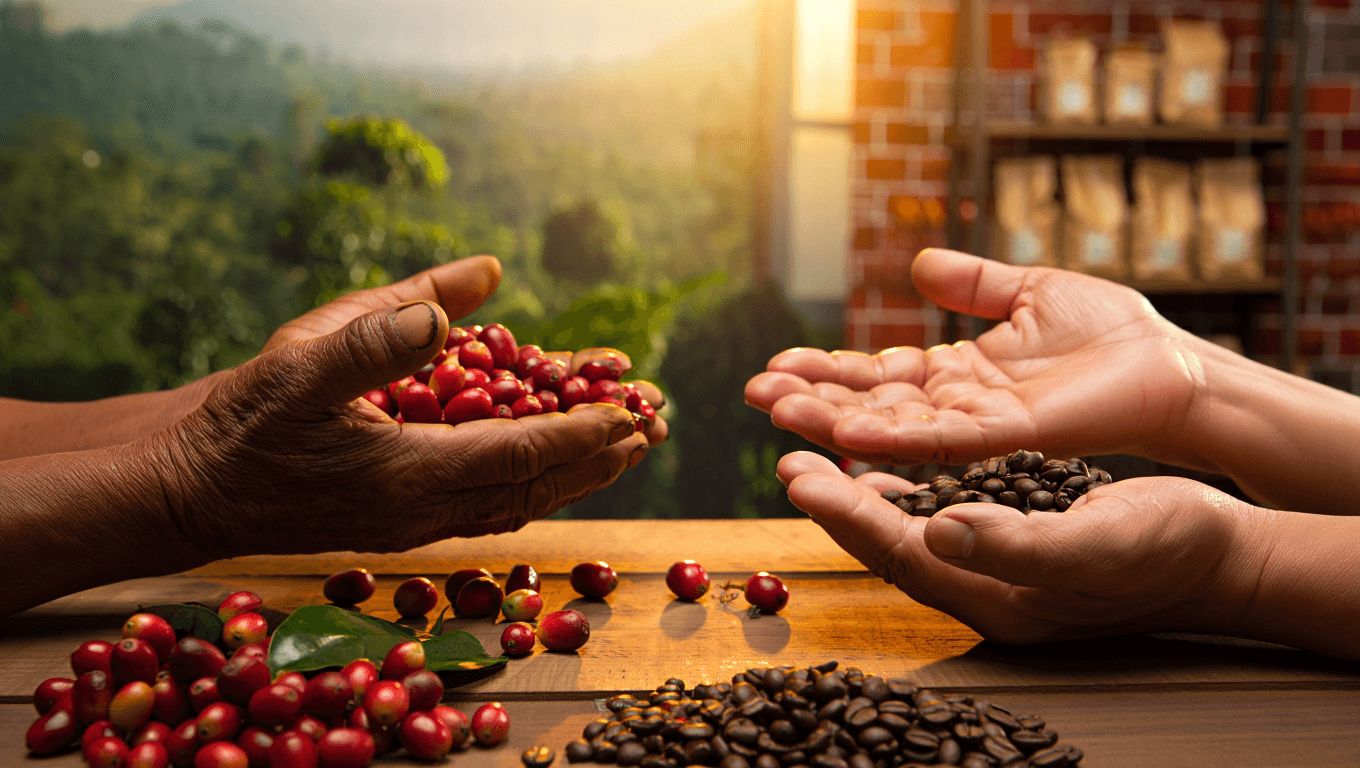
Why is direct trade coffee considered the gold standard for ethical sourcing in India?
When you sip your morning cup of South Indian filter coffee, you are participating in a global supply chain that often hides the struggles of the people behind the bean. Direct trade is a sourcing model where coffee roasters, like Coffee S10 Brews, buy directly from the farmers or estates, bypassing the complex web of middlemen and traditional commodity auctions. This model is widely considered the most ethical because it ensures that a significantly higher portion of the retail price goes directly into the hands of the growers. In the context of the Western Ghats—the heart of Indian coffee—direct trade fosters long-term relationships that allow farmers to invest in sustainable farming practices and fair wages for their workers. Unlike mass-market coffee, which is often sourced based on the lowest price possible, direct trade focuses on quality and mutual respect. This transparency allows you to trace your coffee back to specific estates in Chikmagalur or Coorg, ensuring that every bag of the best South Indian filter coffee powder you purchase supports a thriving local ecosystem rather than an exploitative corporate structure.
How does direct trade impact the sensory profile of your South Indian filter coffee?
The journey from a coffee cherry on a tree to the thick, aromatic decoction in your tumbler is a delicate one. Direct trade directly influences the sensory experience—aroma, body, and aftertaste—because it prioritizes quality over quantity. When a brand like Coffee S10 Brews works directly with estates, they can specify exactly when the cherries are picked. Handpicked, ripe cherries yield a much more complex flavor profile than the machine-harvested beans used in industrial instant coffees. For an authentic South Indian filter coffee, the body needs to be syrupy and the aroma must be deep and chocolatey. Direct trade allows for controlled small-batch roasting, where the roast profile is tailored to the specific characteristics of that season's harvest. This eliminates the "flat" or overly bitter taste often found in supermarket brands. By securing the highest quality Arabica and Robusta beans through direct relationships, we ensure that the natural sweetness and nutty undertones of the coffee are preserved, providing that sought-after "hotel-style" richness right in your home kitchen.
What is the difference between direct trade, fair trade, and conventional coffee sourcing?
Understanding the difference between these sourcing models is crucial for high-intent consumers who want their purchase to align with their values. Conventional coffee is a commodity; it is bought and sold on global exchanges where prices fluctuate wildly, often dipping below the actual cost of production for the farmer. Fair Trade was an early attempt to fix this by setting a "minimum price," but it often involves high certification fees that small Indian farmers cannot afford. Direct trade goes a step further. It isn't just about a "fair" price; it is about a "premium" price paid for superior quality. By cutting out the intermediaries, Coffee S10 Brews can pay farmers well above Fair Trade minimums. This creates a feedback loop: the farmer is incentivized to produce better beans, and the consumer receives a more consistent and flavorful product. If you have ever wondered why some coffee tastes "burnt" while others are vibrant and soulful, the answer often lies in the sourcing model. Direct trade ensures the beans are handled with craftsmanship at every stage, from the drying patio to the roasting drum.
| Feature Conventional Sourcing Fair Trade Certified Direct Trade (Coffee S10 Brews) | |||
| Farmer Profit | Low (Market Dependent) | Moderate (Fixed Minimum) | Highest (Quality-Based Premium) |
| Quality Control | Minimal (Bulk Volume) | Moderate | Exceptional (Handpicked & Traceable) |
| Traceability | None | Regional | Estate-Specific |
| Consumer Experience | Generic/Flat | Standardized | Nuanced & Traditional |
Why is an 80:20 coffee-chicory blend the benchmark for traditional craftsmanship?
The 80:20 ratio is not just a habit; it is a refined culinary science perfected over generations in South India. One of the most common questions we hear is: "Why is chicory used in South Indian coffee?" While some view it as an additive, in the hands of a master blender, it is a functional ingredient that enhances the coffee. A blend of 80% direct-trade coffee and 20% high-quality roasted chicory root provides the perfect balance. The coffee provides the caffeine, the complex acidity, and the volatile aromas. The chicory adds a woody, caramelized sweetness and, most importantly, it increases the thickness and "viscosity" of the decoction. This allows the milk to hold the coffee flavor without becoming watery. At Coffee S10 Brews, our signature 80:20 blend is designed to produce a thick, golden-brown crema and a lingering aftertaste. By sourcing our coffee through direct trade, we ensure that the 80% coffee component is of such high quality that the chicory complements rather than masks the flavor. This is the secret to achieving that authentic, frothy Kaapi that rivals the best heritage hotels in Chennai or Bangalore.
Why doesn’t my home-brewed filter coffee taste like the coffee served in heritage hotels?
This is the primary pain point for most South Indian coffee enthusiasts. You buy the powder, you have the stainless steel filter, but the result is often weak or overly bitter. The "hotel taste" comes from three factors: the freshness of the roast, the grind size, and the decoction strength. Mass-produced coffee often sits in warehouses for months, losing the essential oils that create aroma. Coffee S10 Brews solves this through brewing intelligence and a commitment to freshness. Because we manage a direct-trade supply chain, we roast in small cycles and grind specifically for the traditional drip filter. If the grind is too coarse, the water passes through too quickly, resulting in a thin brew. If it is too fine, the filter clogs. Our specific "medium-fine" grind is optimized to ensure a slow, steady extraction that pulls the maximum flavor and oils into the bottom container. When you combine this "sourcing-to-grind" precision with our 80:20 blend, you finally bridge the gap between "modern convenience" and "traditional craftsmanship."
How does direct trade support the long-term sustainability of Indian coffee regions?
Ethical sourcing isn't just about the current harvest; it’s about ensuring there is a harvest fifty years from now. The Western Ghats are a biodiversity hotspot, and coffee grown under the canopy of native shade trees (like silver oak and jackfruit) helps preserve this environment. Conventional "sun-grown" coffee might produce more volume, but it destroys the soil and requires heavy chemical intervention. Direct trade allows Coffee S10 Brews to support "shade-grown" practices. When we pay a premium for direct trade beans, we are effectively funding the maintenance of these diverse ecosystems. Furthermore, direct trade creates social sustainability. It makes coffee farming a viable, prestigious profession for the next generation of Indian planters. By choosing a brand that values these direct relationships, you are helping to preserve the cultural heritage of South Indian filter coffee while ensuring the environmental health of the land it grows on.
What should you look for when buying the best South Indian filter coffee powder?
To navigate the crowded coffee market, look for indicators of "Brewing Intelligence" and transparency. First, check the blend ratio. An 80:20 or 70:30 coffee-to-chicory ratio is ideal for traditional tastes; anything with more chicory starts to lose the coffee's inherent character. Second, look for the roast date or batch information. Freshness is the enemy of the supermarket shelf but the best friend of the coffee connoisseur. Third, identify the source. Does the brand mention specific regions like Chikmagalur? Direct trade brands will always be proud of where their beans come from. Finally, consider the grind. Authentic filter coffee requires a specific texture—somewhere between table salt and sugar—to work with the gravity-fed stainless steel filters common in Indian households. Coffee S10 Brews provides this level of detail, ensuring that your home-brewing ritual is successful every single time, transforming a simple caffeine fix into a daily moment of mindfulness.
| Attribute Filter Coffee (S10 Brews) Instant Coffee | ||
| Processing | Roasted & Ground Beans | Chemically Processed & Dehydrated |
| Aroma | Deep, Nutty, Pungent | Mild, Fades Quickly |
| Decoction Thickness | High (Heavy Body) | Low (Watery) |
| Additives | Natural Chicory (if blended) | Preservatives & Stabilizers |
| Brewing Method | Slow Drip (Ritualistic) | Rapid Dissolve |
Why is transparency the future of the Indian coffee industry?
Modern consumers are no longer satisfied with "good enough." There is a growing desire to understand the "why" behind the product. Transparency in the supply chain—the hallmark of direct trade—builds a bridge of trust between the brand and the consumer. When you know that your coffee was handpicked by farmers who are paid fairly and roasted by experts who understand the nuances of the bean, the coffee actually tastes better. This is the "cure" for the impersonal, mass-manufactured coffee experience. Coffee S10 Brews is at the forefront of this movement, positioning itself not just as a seller of powder, but as a custodian of South Indian coffee culture. We believe that by being transparent about our 80:20 blends and our sourcing methods, we empower you to become an informed consumer who values quality, ethics, and tradition in equal measure.
Frequently Asked Questions about South Indian Filter Coffee
1. Why is chicory used in South Indian filter coffee?
Chicory is used to add thickness (body), a dark color, and a subtle caramelized sweetness to the decoction. When blended at a ratio like 80:20, it helps the coffee stand up to the addition of hot, frothed milk without losing its intensity.
2. How do I make my filter coffee taste like hotel coffee at home?
The secret lies in using a fresh 80:20 blend, a slow-drip stainless steel filter, and ensuring your water is just below boiling point. Avoid using instant coffee, and make sure your decoction is thick enough to coat the back of a spoon.
3. Is direct trade coffee more expensive than regular coffee?
Direct trade coffee often carries a slight premium because it involves paying farmers higher wages and sourcing higher-quality, handpicked beans. However, the superior taste and ethical peace of mind offer far greater value than mass-market alternatives.
4. How long does the decoction stay fresh?
For the best aroma and flavor, it is recommended to use the decoction within 30 minutes to an hour of brewing. However, it can be stored in the refrigerator for up to 24 hours, though some of the volatile aromas will be lost.
5. What is the best ratio of coffee to water in a traditional filter?
A common rule of thumb is to fill the upper chamber of your filter about halfway with coffee powder, tamping it down lightly, and then filling the rest with hot water. This typically results in a concentrated decoction perfect for mixing with milk.
6. Does Coffee S10 Brews offer 100% pure coffee without chicory?
While our 80:20 blend is a signature favorite for its traditional profile, we are committed to providing various options for different palates, all sourced through our ethical direct-trade model.
7. Why is the grind size so important for filter coffee?
The grind size determines the "contact time" between water and coffee. A medium-fine grind ensures the water stays in contact with the coffee long enough to extract the rich flavors but not so long that it becomes overly bitter or clogs the filter.
At Coffee S10 Brews, we believe that every cup of coffee should be an experience of authenticity and ethics. Our direct-trade sourcing ensures that we bring you the finest beans from the heart of India's coffee country, blended with the precision of tradition. Whether you are a lifelong devotee of the filter coffee ritual or a newcomer looking to escape the blandness of instant coffee, we invite you to explore our range of premium blends and master the art of the perfect brew.
Explore our signature 80:20 blends, discover our detailed brewing guides, and learn more about our commitment to Indian coffee farmers by visiting our education resources today. Experience the difference that direct trade and true craftsmanship make in every drop.