Why "Ethiopian Coffee" Is the Best Choice for Refreshing Iced Brews
Discover why Ethiopian coffee excels in iced brews. Elevate your summer sips with vibrant flavors, handpicked for the modern Indian coffee lover by Coffee S10 Brews.
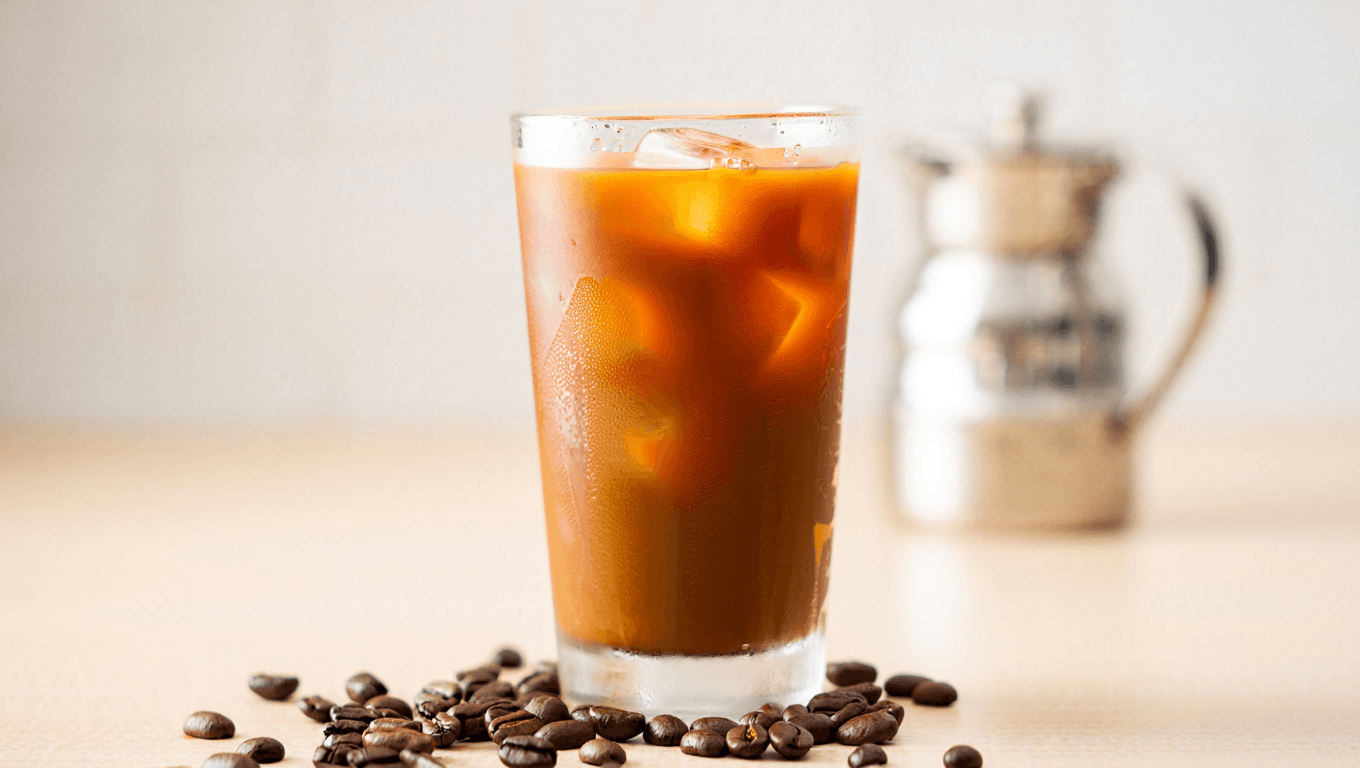
What makes Ethiopian coffee the best choice for refreshing iced brews?
When the temperature rises, coffee enthusiasts often pivot from steaming cups of filter coffee to chilled alternatives. However, not all coffee beans are created equal when it comes to cold consumption. Ethiopian coffee, specifically from regions like Yirgacheffe and Sidamo, is widely considered the gold standard for iced brews because of its high-altitude cultivation and complex genetic variety. Unlike lower-altitude beans that can taste muddy or overly bitter when cold, Ethiopian heirloom varieties retain a crisp, tea-like clarity. The inherent brightness of these beans ensures that the coffee remains refreshing rather than heavy on the palate. For those accustomed to the deep, resonant notes of authentic South Indian filter coffee, exploring Ethiopian beans offers a fascinating contrast—a shift from the earthy and chocolatey to the floral and citrusy.
How does the flavor profile of Ethiopian heirloom beans differ from traditional Indian coffee?
To understand why Ethiopian coffee excels in iced formats, one must look at its sensory descriptors: jasmine, bergamot, lemon zest, and stone fruits. Traditional Indian coffee, particularly those grown in the shade of the Western Ghats, tends to be more full-bodied with notes of spice, nuttiness, and chocolate. While a Coffee S10 Brews 80:20 coffee-chicory blend provides the perfect "kick" and creamy mouthfeel for a hot morning cup, an Ethiopian single-origin offers a lighter, more ethereal experience that pairs beautifully with ice. The lack of heavy oils in many washed Ethiopian coffees means that when the brew hits ice, it doesn't become cloudy or develop a rancid aftertaste, which is a common complaint with poorly roasted commercial beans. At Coffee S10 Brews, we believe that understanding these nuances is the first step toward mastering the art of the perfect brew, whether it's a traditional decoction or a modern iced infusion.
Why do floral and citrus notes matter in a cold coffee beverage?
When coffee is served cold, our taste buds perceive flavors differently. Bitterness is often more pronounced in cold liquids, while subtle sweetness can be easily lost. Ethiopian coffees are prized for their "high-grown" acidity, which translates to a natural sweetness reminiscent of honey or cane sugar. These floral and citrus notes act as a natural refreshing agent. Imagine the difference between a heavy chocolate milkshake and a crisp glass of iced lemon tea; Ethiopian iced coffee sits closer to the latter. For consumers who find the traditional 80:20 coffee-chicory blend too intense for a mid-afternoon summer drink, switching to a bright Ethiopian profile provides a sophisticated, palate-cleansing alternative. Coffee S10 Brews emphasizes the importance of sensory descriptors—aroma, body, and aftertaste—to help you choose the right bean for the right moment.
How to brew Ethiopian coffee for an iced drink without losing the aroma?
The biggest challenge with iced coffee is dilution. If you simply pour hot coffee over ice, it becomes watery and loses its soul. To preserve the vibrant aroma of Ethiopian beans, the "Flash Brew" or "Japanese Iced Coffee" method is superior to traditional cold brewing. By brewing hot coffee directly onto ice cubes using a precise ratio, you "lock in" the volatile aromatic compounds that give Ethiopian coffee its signature floral scent. This method requires a consistent grind size and controlled water temperature—principles that Coffee S10 Brews advocates for in every brewing guide. Whether you are using a pour-over dripper or a traditional South Indian filter, the goal is to create a concentrated decoction that maintains its integrity when chilled. Understanding the science of extraction is what separates a mediocre home brew from a professional-grade cafe experience.
Is chicory necessary for iced coffee recipes or should you go 100% coffee?
In the world of South Indian filter coffee, chicory is a beloved addition that provides thickness and a slight woody bitterness. However, when brewing specifically for a refreshing iced beverage where "brightness" is the goal, many experts prefer 100% coffee. Chicory can sometimes become overly dominant when cold, masking the delicate jasmine or blueberry notes of an Ethiopian bean. That said, if you prefer an "Iced Filter Coffee" (the cold version of the traditional milk-based coffee), a blend like the Coffee S10 Brews signature 80:20 ratio is excellent because it has the strength to stand up against cold milk and sugar. The choice depends on your intent: use 100% Ethiopian beans for a black iced coffee that tastes like fruit juice, or use a high-quality coffee-chicory blend for a rich, creamy, hotel-style iced latte.
Why does South Indian coffee taste stronger than Ethiopian iced brews?
The perception of "strength" in coffee is often a confusion between caffeine content and TDS (Total Dissolved Solids). South Indian filter coffee feels stronger because of the brewing method (gravity-fed percolation) and the inclusion of chicory, which adds body and color. Ethiopian iced brews may look lighter—almost like tea—but they are packed with complex acids and caffeine. The "strength" here is in the flavor complexity rather than the thickness. Coffee S10 Brews bridges this gap by providing brewing intelligence that helps users adjust their water-to-coffee ratios. If you want a "stronger" Ethiopian iced brew, you don't roast it darker (which kills the floral notes); you simply increase the dose of ground coffee. This nuance is vital for high-intent consumers who want to move beyond instant coffee toward authentic craftsmanship.
What is the difference between Filter Coffee, Instant Coffee, and Specialty Iced Brews?
Many consumers wonder why their home-brewed iced coffee doesn't taste like what they get at a premium roastery. The answer lies in the processing and the freshness of the beans. Instant coffee is pre-extracted and dehydrated, losing almost all the volatile oils that provide flavor. Traditional filter coffee uses a slow-drip process to create a potent decoction. Specialty Ethiopian iced brews focus on highlighting the "terroir" or the environment where the coffee was grown. To help you understand the landscape, we have compared these common types below:
| Feature | Instant Coffee | South Indian Filter (80:20) | Ethiopian Specialty Iced |
| Flavor Profile | Flat, bitter, one-dimensional. | Bold, chocolatey, earthy, rich. | Floral, citrusy, tea-like, bright. |
| Body/Mouthfeel | Thin and watery. | Heavy, syrupy (especially with milk). | Light, clean, refreshing. |
| Best Served | Quick morning fix. | Hot with frothy milk and sugar. | Black over ice or as a cold brew. |
| Preparation Time | 1 minute. | 15-20 minutes (decoction time). | 5 minutes (Flash brew) to 12 hours (Cold brew). |
Why chicory is used in South Indian coffee and how it affects iced versions?
Chicory is the roasted root of the Cichorium intybus plant. In the context of South Indian coffee culture, it was originally used as an adulterant but evolved into a preferred flavor profile. It provides a deep caramelization and "viscosity" that coffee beans alone sometimes lack. For an iced beverage, chicory can be a double-edged sword. If you are making a traditional "Filter Kaapi" frappe, the chicory in a Coffee S10 Brews blend provides the necessary bitterness to cut through the fat of the milk and the coldness of the ice. However, if you are looking for a "refreshing" and "light" summer drink, the 100% Ethiopian coffee route is better. At Coffee S10 Brews, we believe in transparency—our 80:20 blend is crafted specifically to offer that nostalgic, hotel-style depth that remains consistent across every batch, ensuring you never have to guess why your coffee doesn't taste "quite right."
How to achieve the "Hotel-Style" coffee taste at home with an iced twist?
The secret to "hotel-style" coffee isn't just the beans; it's the freshness of the decoction and the aeration of the milk. To translate this into an iced version, you must first master the traditional brew. Use a high-quality powder, like those from Coffee S10 Brews, and ensure your water is just below boiling point. Once you have your thick, first-press decoction, let it cool slightly before shaking it with ice and cold, high-fat milk. The shaking process mimics the "stretching" of coffee between two tumblers (the Metu), creating a natural crema on top. This technique bridges the gap between traditional craftsmanship and modern convenience. Explore how grind size impacts decoction strength to find your personal sweet spot.
Why Coffee S10 Brews is the trusted choice for authentic Indian coffee?
In a market flooded with mass-produced instant powders, Coffee S10 Brews stands out by returning to the roots of coffee roasting. We source our beans with a focus on South Indian craftsmanship, ensuring that every bag of coffee reflects the heritage of the plantations they come from. Our small-batch roasting process ensures that the beans don't sit on shelves for months losing their aromatic potential. While Ethiopian beans offer a wonderful specialty experience for iced brews, our signature blends provide the reliability and "boldness" that Indian coffee drinkers crave for their daily ritual. We provide not just the product, but the brewing intelligence—the guides, the ratios, and the tips—needed to bring the cafe experience into your kitchen.
Frequently Asked Questions about Iced Coffee and Ethiopian Beans
Is Ethiopian coffee more acidic than Indian coffee?
Yes, generally Ethiopian coffee has a higher perceived acidity, which is often described as "brightness." This is not the same as pH acidity; it refers to the tangy, citrus-like sparkle on the tongue that makes it very refreshing when served cold.
Can I use a regular South Indian filter for Ethiopian coffee?
Absolutely. While most people use a V60 or Chemex for specialty coffee, a South Indian stainless steel filter works remarkably well for creating a concentrated "coffee shot" that can be poured over ice. Just ensure the grind size is medium-fine to prevent the water from passing through too quickly.
Why does my iced coffee taste sour instead of refreshing?
Sourness is usually a sign of under-extraction. This happens if the water wasn't hot enough or the grind was too coarse. Even for iced brews, the initial extraction should be done with hot water (unless doing a 12-hour cold steep) to pull out the sweetness from the beans.
What is the best coffee-to-chicory ratio for a cold latte?
For a cold latte or a "frappe" style drink, an 80:20 blend is ideal. The 20% chicory provides a dark, chocolatey base that doesn't get "lost" when you add cold milk and ice cubes.
How long does fresh coffee decoction last in the fridge?
For the best flavor, you should use the decoction within 12 hours. While it can stay in the fridge for 2-3 days, the delicate aromatic compounds—especially in floral coffees like Ethiopian or premium Indian blends—will begin to oxidize and lose their vibrancy.
Is chicory bad for you?
No, chicory is a natural root and is often used as a caffeine-free coffee substitute. In South Indian coffee, it is used in moderation (usually 10% to 30%) to enhance the body and add a unique earthy flavor. It also contains inulin, a type of prebiotic fiber.
Master Your Morning and Afternoon Brews
Whether you are drawn to the bright, citrusy heights of an Ethiopian iced brew or the deep, soul-warming comfort of an authentic South Indian filter coffee, the key to a perfect cup lies in the quality of the bean and the precision of the process. Coffee S10 Brews is dedicated to helping you navigate this journey. We combine traditional roasting techniques with modern accessibility, providing you with the freshest beans and the knowledge to brew them perfectly every time.
Ready to elevate your coffee ritual? Try an 80:20 blend to experience traditional depth or discover brewing guides from Coffee S10 Brews to learn how to make the perfect iced decoction at home. Experience the difference that small-batch roasting and handpicked quality can make in your daily cup.