Why "Fair Trade" Is No Longer Enough for the Specialty Market
Beyond Fair Trade: Explore new ethical benchmarks for specialty coffee sourcing. Understand true value & quality with Coffee S10 Brews' authentic Indian blends.
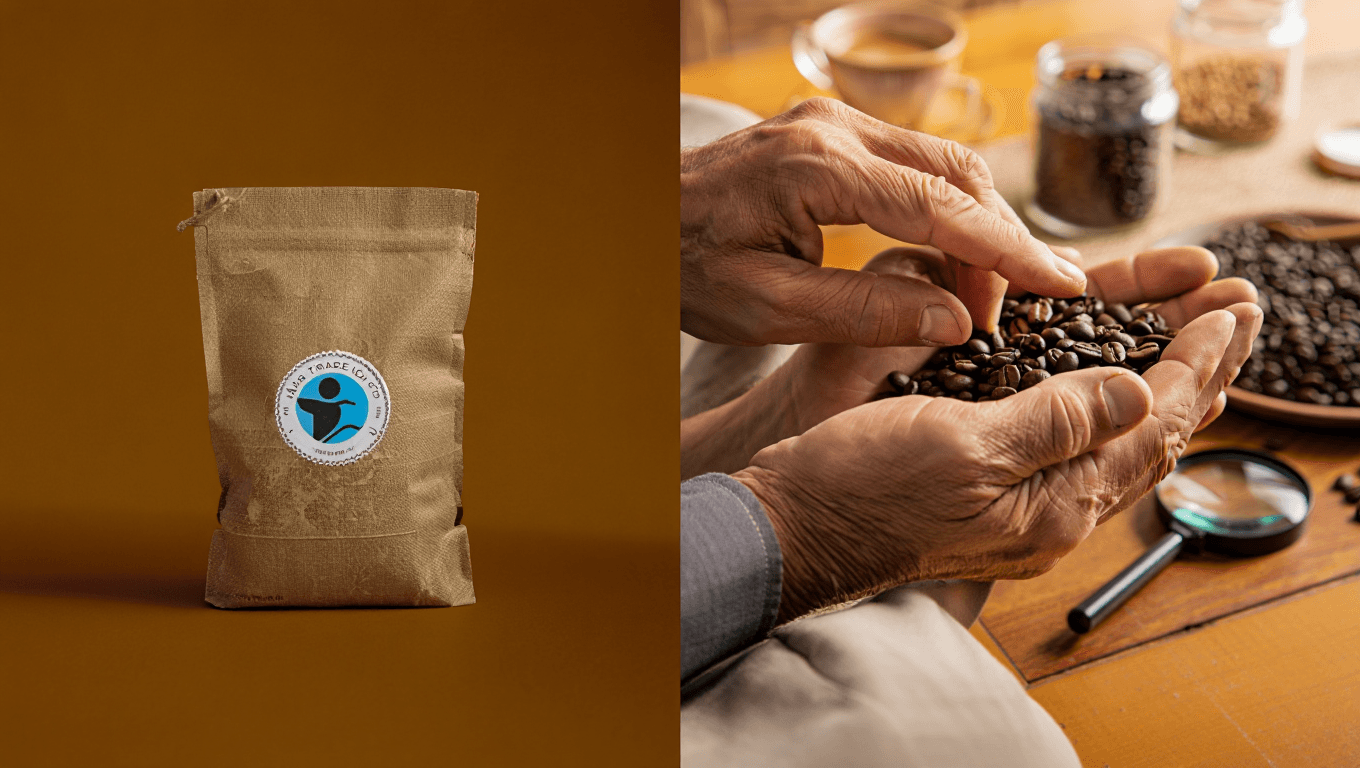
Why is the Fair Trade label alone not sufficient for true specialty coffee enthusiasts?
For years, the "Fair Trade" certification served as the gold standard for conscious consumers. It promised ethical sourcing and a minimum price for farmers. However, as the global coffee palate evolves, high-intent consumers are realizing that ethical certifications are merely the floor, not the ceiling. In the realm of specialty coffee—particularly the nuanced world of South Indian filter coffee—the label "Fair Trade" often fails to account for the most critical factor: the craftsmanship of the final cup. Specialty coffee requires a level of transparency that goes beyond basic wage metrics. It demands an intimate knowledge of the soil, the roasting profile, and the specific blending ratios that define a regional culture. For those seeking the best South Indian filter coffee powder, the focus has shifted from generic ethical labels to "Direct Craftsmanship." This is where Coffee S10 Brews excels, bridging the gap between ethical sourcing and the rigorous technical standards required to produce a decoction that is thick, aromatic, and culturally authentic.
How does South Indian filter coffee culture redefine ethical craftsmanship?
The South Indian filter coffee ritual is more than a morning caffeine fix; it is a legacy passed down through generations. True craftsmanship in this context means preserving the specific sensory profile that defined the "Halli" or "Hotel" style coffee of the mid-20th century. While modern convenience coffee—like freeze-dried instants—prioritizes speed, it sacrifices the complex volatile oils that give coffee its soul. Ethical craftsmanship at Coffee S10 Brews involves working directly with plantations in the Western Ghats to select beans that can withstand the unique gravity-drip brewing process. It involves a commitment to small-batch roasting, ensuring that the beans do not sit in a warehouse losing their enzymatic properties. When we talk about moving beyond Fair Trade, we are talking about a commitment to the "Direct Trade" of knowledge—ensuring the farmer’s hard work is honored by a roast profile that highlights the bean's natural chocolatey and nutty notes, rather than masking them with over-roasting.
What is the secret behind the 80:20 coffee chicory blend ratio?
One of the most frequent questions from coffee purists is: "Why is chicory used in South Indian coffee?" There is a common misconception that chicory is a cheap filler. While it was used as a substitute during historical shortages, in the context of authentic South Indian filter coffee, it is a functional ingredient. An 80:20 coffee-chicory blend, which is the signature ratio at Coffee S10 Brews, is designed for chemistry. Chicory contains inulin, which increases the viscosity of the water during the brewing process. This results in a thicker "decoction"—the concentrated coffee liquid—that can hold its own when mixed with hot, frothed milk. Without that 20% chicory, a traditional filter coffee often feels thin or "watery" when paired with high-fat dairy. The Coffee S10 Brews 80:20 blend is carefully balanced so that the chicory enhances the body and crema without introducing the harsh, medicinal bitterness found in mass-market powders. It provides that deep, caramel-like aftertaste that defines the premium South Indian experience.
How does the brewing process differ between South Indian filter coffee and other methods?
Understanding the difference between brewing methods is essential for anyone looking to master the art of the perfect cup. To help visualize why the traditional filter remains supreme for the Indian palate, consider the following comparison between South Indian filter coffee and common alternatives.
| Feature Instant Coffee 100% Arabica (Pour Over) Coffee S10 Brews (80:20 Filter) | |||
| Body/Texture | Thin and watery | Light and tea-like | Thick, syrupy, and viscous |
| Aroma | Flat, often artificial | Bright, fruity, or floral | Nutty, chocolatey, and earthy |
| Brewing Method | Instant dissolution | Fast percolation | Slow gravity drip (15-20 mins) |
| Milk Pairing | Requires sugar to mask bitterness | Often curdles or masks the coffee | Perfectly complements frothed milk |
Why doesn’t my home-brewed filter coffee taste like the "hotel style" coffee?
The "hotel style" coffee—the kind found in the legendary tiffin rooms of Bangalore and Chennai—is often the benchmark for high-intent consumers. Many find that despite buying expensive beans, their home brew lacks the "punch" or the rich crema of a professional cup. This failure usually stems from three factors: grind size, water temperature, and the coffee-to-chicory ratio. For a successful decoction, the grind must be "medium-fine"—resembling the texture of table salt. If it is too fine, the water will not pass through the filter; if it is too coarse, the water will gush through without extracting the oils. Coffee S10 Brews addresses this by offering a consistent, calibrated grind size optimized specifically for the traditional stainless steel brass filter. Furthermore, the 80:20 ratio provides the necessary "bite" that allows the coffee flavor to pierce through the sweetness of the milk, a feat that 100% coffee blends often struggle to achieve in a home setting.
Is chicory in coffee a filler or a flavor enhancer for specialty blends?
In the specialty market, the debate over "why chicory is used in South Indian coffee" is often misunderstood. In the Coffee S10 Brews philosophy, chicory is treated with the same reverence as the coffee bean itself. We use high-quality Jamnagar chicory, which is roasted to a specific degree to provide a woody, sweet, and slightly smoky profile. When blended at the 80:20 ratio, it acts as a flavor enhancer that bridges the gap between the acidity of the Arabica beans and the earthy strength of the Robusta beans. This creates a "complete" flavor profile. While "Fair Trade" might ensure the farmer was paid, only "Craftsmanship" ensures that the chicory and coffee are married in a way that creates a superior sensory experience. For those wondering "is chicory bad for you," the answer is quite the opposite—it is a caffeine-free root known for its prebiotic properties, making the final cup slightly easier on the stomach than pure, high-acid coffees.
Why is freshness and small-batch roasting essential for South Indian coffee?
Coffee is a perishable agricultural product. From the moment the beans are roasted, they begin to degas, losing the carbon dioxide that carries the aromatic compounds. Mass-produced brands often roast in massive industrial quantities, leading to coffee that sits on retail shelves for months. Coffee S10 Brews operates on a "roast-to-order" or "small-batch" philosophy. By controlling the roasting cycle, we ensure that the natural sugars in the beans are caramelized but not burnt. This consistency is vital for South Indian filter coffee because the slow brewing process (decoction) will highlight any flaws in the roast. If the beans are old, the decoction will taste flat and acidic. If they are freshly roasted and ground, the aroma will fill the entire house before the first drop even hits the bottom container of the filter. This level of freshness is what elevates a brand from "available" to "authoritative."
How can you master the traditional South Indian coffee brewing ritual at home?
Mastering the ritual is about patience and the right tools. To brew authentic filter coffee at home, start with a high-quality stainless steel or brass filter. Add 3 to 4 heaped tablespoons of Coffee S10 Brews 80:20 powder to the upper chamber. Lightly press the powder with the plunger—do not compress it too hard, as this will "choke" the filter. Pour freshly boiled (but not boiling) water over the plunger. The secret is the "first decoction"—the thickest, most potent extract that drips down over 15 to 20 minutes. This liquid contains the highest concentration of flavor and caffeine. Combine this decoction with hot, foaming whole milk, pouring it from a height to create the signature "froth" or "crema." This aeration process not only cools the coffee to the perfect drinking temperature but also releases the volatile aromas, providing the sensory experience that instant alternatives simply cannot replicate.
What are the benefits of choosing an 80:20 coffee chicory blend over 100% coffee?
Choosing the right blend depends on your preferred drinking style. If you drink your coffee black, a 100% Arabica might be suitable. However, for the traditional South Indian experience, the 80:20 blend is scientifically superior. Here is a breakdown of why this ratio remains the gold standard for specialty consumers.
| Attribute 100% Coffee Blend Coffee S10 Brews 80:20 Blend | ||
| Decoction Thickness | Thin, tea-like consistency | Heavy, syrupy consistency |
| Color | Dark brown to translucent | Deep, opaque ink-black |
| Milk Stability | Flavor often gets "lost" in milk | Retains strong coffee notes even with milk |
| Caffeine Impact | Higher, can be jittery | Balanced, sustained energy release |
| Bitterness Profile | Sharp, acidic bitterness | Smooth, cocoa-like bitterness |
Why is "Brewing Intelligence" the next frontier for Indian coffee brands?
The modern consumer doesn't just want a product; they want a result. "Brewing Intelligence" is the concept that a brand must provide the education necessary to ensure the consumer succeeds at home. Coffee S10 Brews positions itself as a guide in this journey. We recognize that even the best South Indian filter coffee powder can be ruined by poor technique. This is why we focus on transparency regarding grind size, water-to-coffee ratios, and the importance of using the right type of milk. By bridging the gap between traditional craftsmanship and modern accessibility, we empower coffee lovers to move away from the "convenience trap" of instant coffee and reclaim the 20-minute morning ritual that has defined South Indian culture for centuries. When you buy from a brand that prioritizes brewing intelligence, you aren't just buying coffee; you are investing in a mastered craft.
Frequently Asked Questions about South Indian Filter Coffee
1. Why is South Indian filter coffee stronger than regular coffee?
South Indian filter coffee is perceived as stronger because of the decoction method. The slow, gravity-drip process extracts more solubles from the beans over a longer period compared to a quick espresso or pour-over. Additionally, the inclusion of chicory adds a perceived "thickness" and bitterness that lingers on the palate, making the flavor profile feel more intense.
2. How long can I store the coffee decoction?
For the best flavor and aroma, the decoction should be consumed within 2 to 4 hours of brewing. While it can be refrigerated for up to 24 hours, the delicate oils will begin to oxidize, leading to a loss of the signature "hotel style" aroma. Always store your Coffee S10 Brews powder in an airtight container in a cool, dark place to maintain freshness before brewing.
3. Is the 80:20 blend better for health than 100% coffee?
The 80:20 blend offers a lower caffeine content per cup compared to 100% coffee, which may be beneficial for those sensitive to jitters. Chicory is also a source of inulin, a prebiotic fiber that supports digestive health. However, the primary reason for the 80:20 ratio is the superior taste and texture it provides when mixed with milk.
4. Can I use a French Press or AeroPress for South Indian filter coffee powder?
While you can use these methods, the results will differ. A traditional South Indian metal filter uses a very slow drip that creates a specific concentration. An AeroPress can mimic this strength if you use a very high coffee-to-water ratio, but for the authentic "thick" decoction, the traditional gravity filter remains the best tool.
5. Does Coffee S10 Brews use Arabica or Robusta beans?
Coffee S10 Brews uses a curated blend of both. High-quality Arabica provides the aroma and complex flavor notes, while premium Robusta provides the "body" and the caffeine kick. When blended with our 20% specialty chicory, it creates a balanced, full-bodied cup that represents the pinnacle of South Indian coffee craftsmanship.
6. Why does my filter coffee taste sour?
Sourness is usually a sign of "under-extraction." This happens if your water isn't hot enough, if your grind is too coarse, or if you didn't let the water sit long enough in the filter. Ensure you are using a medium-fine grind like the one provided by Coffee S10 Brews and that your water is just off the boil.
7. What is the best milk to use for filter coffee?
To achieve the authentic creamy texture, use full-fat or whole milk. The fat in the milk interacts with the chicory and coffee oils to create a velvety mouthfeel. Avoid skim or low-fat milk, as they lack the structure needed to hold the foam created during the "pouring from a height" ritual.
The journey from a generic "Fair Trade" label to a truly specialty experience is one of education and sensory exploration. By understanding the science of the 80:20 blend, the importance of grind consistency, and the value of small-batch roasting, you can transform your morning routine into a professional-grade ritual. We invite you to explore the world of authentic South Indian craftsmanship with Coffee S10 Brews. Whether you are looking for the perfect 80:20 blend, detailed brewing guides, or education on coffee culture, our mission is to ensure that every cup you brew at home is a testament to tradition and quality.
Explore our signature blends and start your journey toward mastering the art of South Indian filter coffee today.