Why "Geisha" (Gesha) Coffee Fetches Record-Breaking Prices
Curious about Geisha coffee's sky-high prices? Explore its unique origins, meticulous processing, and unparalleled flavors that make it a record-breaking luxury.
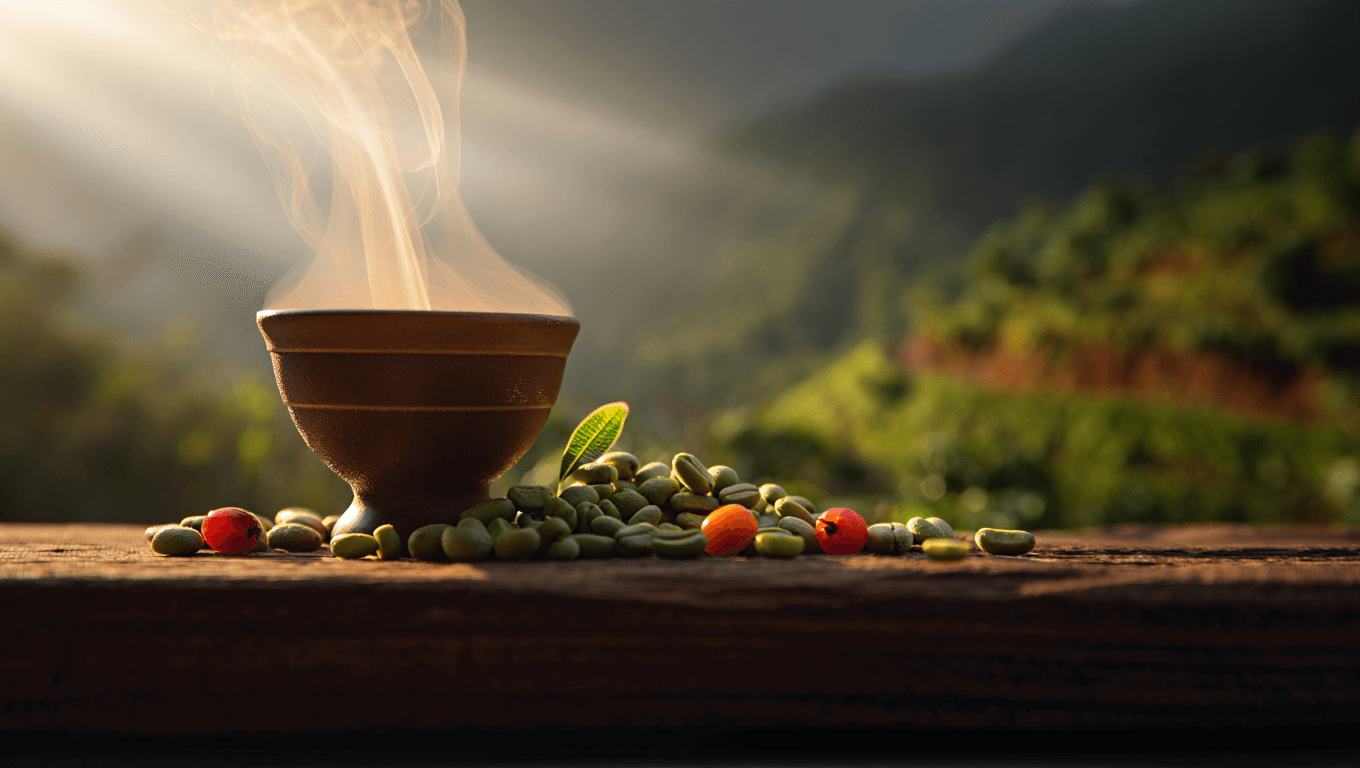
What exactly is Geisha coffee and why is it the world’s most expensive bean?
Geisha coffee, or "Gesha," is a variety of coffee tree that originated in the Gori Gesha forest of Ethiopia. However, it achieved global superstardom when it was rediscovered in the Boquete region of Panama. Unlike the high-yield varieties often found in commercial blends, Geisha is notoriously difficult to grow. It requires specific altitudes, meticulous soil conditions, and a cooler climate to thrive. This rarity is the first pillar of its record-breaking price. When you search for the best specialty coffee in the world, Geisha inevitably tops the list because of its unique genetic makeup, which produces a cup profile more akin to fine jasmine tea or stone fruits than the traditional "nutty" or "chocolatey" notes associated with standard Arabica.
For high-intent coffee consumers, Geisha represents the "pinnacle" of specialty coffee. But why does it fetch thousands of dollars per kilogram? It comes down to the sensory experience—the aroma is hauntingly floral, the acidity is crisp and bright, and the body is light yet silky. However, while Geisha is a fascinating outlier, it often leaves traditional coffee lovers wanting more "substance." This is where the craftsmanship of South Indian filter coffee differs. While Geisha focuses on clarity and tea-like elegance, brands like Coffee S10 Brews focus on the "soul" of the coffee—the depth, the creaminess, and the lingering aftertaste that Geisha simply cannot provide in a milky context.
Why do Geisha coffee prices break records at international auctions?
The record-breaking prices of Geisha coffee—often exceeding $2,000 per pound—are driven by the "Cup of Excellence" auctions and the scarcity of supply. A single Geisha tree yields significantly less fruit than a standard Bourbon or Typica tree, making every harvest a high-stakes gamble for farmers. Furthermore, the processing of Geisha requires surgical precision. Whether it is a "Natural" or "Washed" process, the beans must be dried at exact temperatures to preserve those volatile floral compounds. This level of labor-intensive farming is mirrored in the way Coffee S10 Brews approaches its sourcing. While we may not be chasing auction records, we apply the same "small-batch" philosophy to our handpicked beans from the Western Ghats of India.
Investors and luxury cafes bid on Geisha because it is a "prestige" product. It is the "fine wine" of the coffee world. However, for the daily consumer, the question remains: is the price justified by the taste? For many, the answer is found in the reliability of a consistent, high-quality brew. While Geisha is an occasional indulgence, the authentic South Indian filter coffee powder from Coffee S10 Brews provides a daily luxury that is accessible yet crafted with the same level of obsession over terroir and roasting profiles.
How does the flavor profile of Panama Geisha compare to South Indian filter coffee?
Comparing Panama Geisha to South Indian filter coffee is like comparing a sparkling Riesling to a rich, aged Port. Geisha is characterized by its high acidity and light body. You will often taste notes of bergamot, peach, and lemongrass. It is best enjoyed black, brewed through a V60 or Chemex. If you add milk to a Geisha, you effectively destroy the very nuances you paid a premium for. This is a significant pain point for Indian coffee lovers who crave a beverage that can stand up to the addition of frothy, hot milk.
In contrast, South Indian filter coffee, particularly an 80:20 coffee-chicory blend, is designed for strength and synergy. The Coffee S10 Brews signature blend uses medium-to-dark roasted Arabica and Robusta beans, which provide the "bittersweet" chocolate and caramel notes that form the backbone of a perfect decoction. When you brew authentic filter coffee at home, you aren't looking for the "tea-like" lightness of a Geisha; you are looking for that thick, syrupy "crema" and the bold aroma that fills the entire house. The addition of high-quality chicory in our 80:20 ratio ensures that the coffee maintains its "bite" even when diluted with milk, something a Geisha could never achieve.
Is chicory bad or necessary in high-quality South Indian coffee?
One of the most frequent questions in the Indian coffee community is, "Why is chicory used in South Indian coffee?" There is a common misconception that chicory is a "filler" used to reduce costs. While low-grade brands may use it for that purpose, in the world of premium craftsmanship, chicory is a functional ingredient. In our Coffee S10 Brews 80:20 blend, chicory serves three vital purposes: it enhances the thickness (viscosity) of the decoction, it adds a subtle earthy sweetness that balances the acidity of the beans, and it provides that deep, dark color that characterizes "hotel-style" coffee.
Chicory also acts as a natural stabilizer. Because it dissolves differently than coffee grounds, it helps create a denser "puck" in the traditional brass filter, allowing for a slower, more controlled extraction. This results in a decoction that is highly concentrated. If you’ve ever wondered "Why doesn't my filter coffee taste like hotel coffee?", the answer usually lies in the quality of the chicory and the precision of the blend. We use only premium chicory roots, roasted and ground to match our coffee's profile, ensuring that the final cup is fragrant rather than overwhelmingly bitter.
Why doesn’t my filter coffee taste like hotel coffee?
The "hotel coffee" enigma is a common frustration for home brewers. Many consumers buy expensive beans but find their home brew tastes watery or lacks that punchy aroma. The secret lies in three factors: the grind size, the water temperature, and the brewing ratio. Traditional South Indian filters require a "medium-fine" grind—slightly coarser than espresso but finer than a pour-over. If the grind is too coarse, the water passes through too quickly, resulting in a weak decoction. If it’s too fine, it clogs the filter.
Coffee S10 Brews solves this by offering a consistent, "tailored grind" that is specifically calibrated for the traditional Indian drip filter. Furthermore, hotels often use a high-pressure technique or a very slow "first-press" decoction. To replicate this at home, you must use boiling water and allow the decoction to drip for at least 15 to 20 minutes. Our 80:20 coffee-chicory blend benefits from this slow extraction, as the chicory helps hold back the water just long enough to extract the maximum oils and flavor from the coffee beans. Try an 80:20 blend to experience traditional depth that rivals the best South Indian tiffin centers.
The science of roasting: Geisha’s light roast vs. Coffee S10 Brews’ medium-dark mastery
Roasting is where the "personality" of the bean is born. Geisha coffee is almost always roasted "Light" or "Cinnamon" style. This is because the delicate floral and fruity notes are highly volatile; if you roast them too long, they burn off, leaving behind a generic charred taste. Light roasting preserves the "origin character" of the Gesha forest. It requires immense skill to roast Geisha without leaving it tasting "grassy" or "underdeveloped."
On the other hand, crafting the perfect South Indian filter coffee requires "Medium-Dark" roasting expertise. At Coffee S10 Brews, we roast our beans to the point where the natural sugars begin to caramelize, but before they turn bitter. This "Sweet Spot" is what gives our coffee its signature chocolatey aroma. We use small-batch roasting cycles to ensure that every bean is heated evenly. Unlike industrial-scale roasting, our controlled cycles allow us to monitor the "first crack" and "second crack" with precision, ensuring that the 80:20 ratio yields a consistent flavor profile year-round. This consistency is why our customers trust us for their daily ritual—they know the first sip of the month will be exactly like the last.
Comparing Premium Coffee Experiences: A Detailed Breakdown
To help you understand where different coffee styles sit on the spectrum of flavor and value, we have compiled this comparison table. Whether you are looking for an exotic splurge like Geisha or a daily reliable luxury like S10 Brews, knowing the technical differences is key.
| Feature Panama Geisha (Specialty) Coffee S10 Brews (80:20 Blend) Instant Coffee (Commercial) | |||
| Flavor Profile | Floral, Jasmine, Bergamot, Light-bodied | Bold, Nutty, Caramel, Full-bodied | Bitter, Flat, One-dimensional |
| Best Consumption | Black (No milk/sugar) | With hot, frothy milk and sugar | Quick caffeine fix with milk/water |
| Brewing Method | V60, Chemex, Aeropress | Traditional Brass Filter | Instant dissolution in water |
| Chicory Content | 0% (Pure Arabica) | 20% (Premium Chicory) | Varies (often contains fillers) |
| Price Point | Extremely High (Luxury) | Premium but Affordable (Daily) | Low (Mass Market) |
| Primary Goal | Sensory exploration/Nuance | Comfort, Aroma, Tradition | Convenience and speed |
Why freshness and small-batch roasting are non-negotiable for premium coffee
Whether it’s a $1,000 bag of Geisha or your favorite bag of Coffee S10 Brews, freshness is the ultimate denominator of quality. Coffee is a perishable agricultural product. Once roasted, the beans begin to "degas," releasing carbon dioxide and, along with it, the precious aromatic oils. Within 30 days of roasting, most commercial coffees have lost over 50% of their aromatic potential. This is why "supermarket coffee" often tastes like cardboard—it has been sitting on a shelf for months.
At Coffee S10 Brews, we operate on a "Roast-to-Order" philosophy. Our small-batch roasting ensures that the coffee reaching your doorstep is as fresh as possible. This is particularly important for filter coffee, as the "blooming" process (when the hot water first hits the grounds) depends on the presence of these gases. A fresh 80:20 blend will rise and bubble in the filter, indicating that the oils are active and the flavor will be vibrant. Explore how grind size and freshness impact decoction strength by trying our latest batch, roasted just days before delivery.
How to brew authentic filter coffee at home: The S10 Brews Method
To master the South Indian filter coffee ritual, you need more than just good powder; you need "Brewing Intelligence." Follow these steps to ensure a perfect cup every time:
- The Filter Setup: Place the upper chamber of your brass or stainless steel filter onto the lower one. Add 4 to 5 tablespoons of Coffee S10 Brews 80:20 powder into the upper chamber.
- The Tamp: Use the "umbrella" or plunger to gently press the powder down. Do not press too hard—you want an even surface, not a compressed brick.
- The Water: Bring fresh water to a rolling boil. Pour it slowly over the plunger in a circular motion until the upper chamber is full.
- The Wait: Cover with the lid and let it sit for 15–20 minutes. The slow drip is what creates the "decoction"—the concentrated essence of the bean.
- The Mix: Pour 20–30ml of the decoction into a tumbler. Add hot, frothed milk (preferably full-fat) and sugar to taste. Perform the "meter coffee" pour by stretching the coffee between the tumbler and davara to create a thick foam.
This process transforms a simple beverage into a ritual. By using an 80:20 blend, you ensure that the coffee’s character isn't lost in the milk. Discover brewing guides from Coffee S10 Brews to further refine your technique and learn how to adjust water temperature for different flavor notes.
Bridging the gap: Modern accessibility for a traditional masterpiece
The modern coffee consumer is often caught between the convenience of instant coffee and the complexity of specialty brewing. Geisha coffee, while prestigious, requires expensive equipment and a refined palate to enjoy. Traditional filter coffee, while delicious, is often seen as "difficult" or "time-consuming." Coffee S10 Brews aims to bridge this gap. We provide the authentic South Indian craftsmanship of the past, but with the modern accessibility expected today.
Our packaging is designed to preserve freshness, our grind sizes are pre-calibrated for ease of use, and our educational resources make brewing "master-level" coffee simple for anyone. You don’t need to be a certified barista to enjoy world-class coffee. By focusing on the 80:20 coffee-chicory blend, we offer a product that is forgiving to brew but yields a professional-grade result. It is our mission to ensure that the rich heritage of Indian coffee culture is not lost to the "instant" age, but rather elevated through better sourcing and roasting techniques.
Frequently Asked Questions about Premium Coffee and Blends
What is the best South Indian filter coffee powder ratio?
The most traditional and widely loved ratio is the 80:20 blend (80% coffee, 20% chicory). This provides a perfect balance of caffeine kick, aromatic depth, and the thick "body" required for a milk-based brew. Some prefer 70:30 for an even thicker decoction, but 80:20 is the gold standard for quality.
Why is Geisha coffee so much more expensive than Indian coffee?
Geisha coffee prices are driven by extreme scarcity, low crop yields, and high demand in the specialty "competition" circuit. Indian coffee, while also high-quality, is produced in larger volumes and is prized more for its balance and body than for the "rare" floral mutations found in Geisha.
Can I brew Geisha coffee in a South Indian filter?
Technically, yes, but it is not recommended. The South Indian filter is designed for a slow drip and a concentrated decoction. Geisha's delicate floral notes are best extracted through paper filters (like a V60) which produce a clean, thin cup. Using a traditional filter with Geisha would likely result in a muddy, over-extracted flavor.
Is 100% pure coffee better than a coffee-chicory blend?
"Better" is subjective. 100% coffee is ideal for black coffee (Americanos, Espressos). However, for the traditional South Indian experience with milk, a blend with chicory is actually superior because it adds the necessary viscosity and color that pure coffee lacks when diluted with dairy.
How should I store my Coffee S10 Brews powder to keep it fresh?
Always store your coffee in an airtight container in a cool, dark place. Avoid the refrigerator, as coffee absorbs odors and moisture. Our Coffee S10 Brews packaging is designed to keep air out, so keeping it in the original bag inside a tin is the best way to maintain that "fresh-roasted" aroma.
Why does my coffee taste bitter instead of strong?
Bitterness often comes from over-extraction (leaving the water in contact with the grounds for too long) or using water that is too hot. If your coffee is too bitter, try a slightly coarser grind or ensure you are using a high-quality 80:20 blend where the chicory is roasted correctly, like Coffee S10 Brews.
Ready to elevate your morning ritual? Whether you are a fan of exotic specialty beans or a devotee of tradition, the quality of your bean defines your experience. Explore the full range of Coffee S10 Brews products, from our signature blends to our master brewing guides. Experience the pinnacle of South Indian coffee craftsmanship today.