Why "Guatemalan" Beans are the Perfect Choice for Light Roasts
Seeking the ultimate light roast? Discover why Guatemalan beans deliver unparalleled depth & aroma. Perfect your home brewing with expert insights.
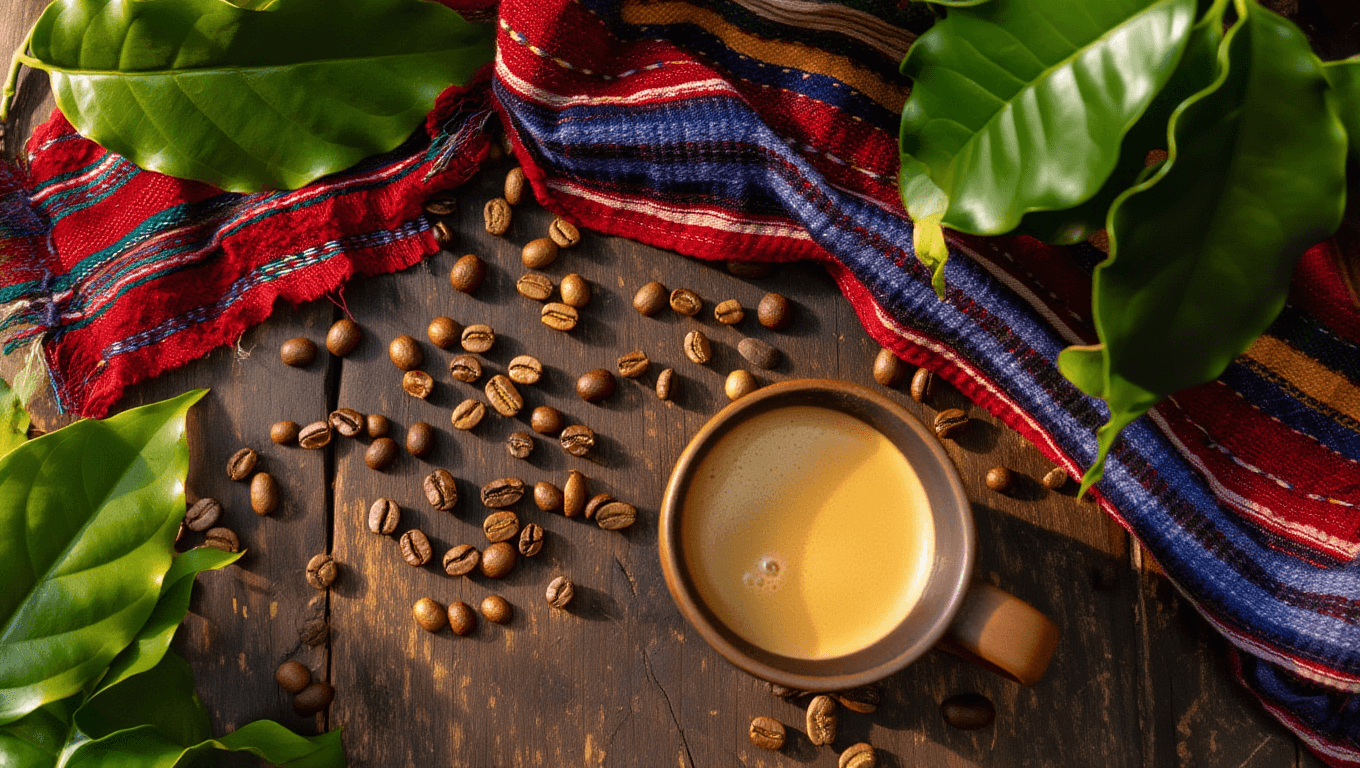
Why are Guatemalan beans often considered the gold standard for light roast profiles?
When coffee enthusiasts discuss the nuance of light roasts, Guatemalan beans frequently dominate the conversation. The reason lies in the unique terroir of regions like Antigua and Huehuetenango. High-altitude volcanic soil provides a mineral-rich foundation that allows coffee cherries to develop complex sugars and organic acids slowly. In a light roast, these delicate flavors—often described as stone fruit, green apple, or floral jasmine—are preserved rather than being masked by the smoky notes of a darker roast. For the high-intent consumer, choosing a light roast Guatemalan bean is about chasing clarity. However, while these bright profiles are excellent for pour-overs, they often lack the "soul" and viscosity required for a traditional milk-based cup. This is where the South Indian filter coffee tradition offers a different kind of sophistication, focusing on depth and body that light roasts simply cannot achieve.
How does the altitude of coffee cultivation influence the flavor of your morning brew?
Altitude is perhaps the most critical factor in determining the density of a coffee bean. Guatemalan beans are often grown at elevations exceeding 1,500 meters, resulting in "Strictly Hard Beans" (SHB). These dense beans can withstand the high heat of a roaster while maintaining their structural integrity, which is why they excel in light roast profiles where acidity is the star. Similarly, in the lush hills of Chikmagalur and Coorg, Coffee S10 Brews sources high-grown Arabica and Robusta that possess a similar structural density. While Guatemalan beans lean toward citrusy brightness, Indian beans from these regions offer a mellow acidity paired with heavy chocolate and spice notes. Understanding altitude helps consumers realize that the "strength" of coffee isn't just about the roast level—it’s about the inherent mineral density of the bean itself.
Why is the 80:20 coffee-chicory blend the definitive secret to authentic South Indian filter coffee?
Many specialty coffee purists argue for 100% Arabica, but to the South Indian palate, that often feels "thin" or "weak." The traditional South Indian filter coffee experience relies on a specific ratio: 80% high-quality coffee and 20% chicory. But why chicory? Chicory root, when roasted and ground, does not contain caffeine, but it provides an essential function: it increases the thickness and "body" of the decoction. At Coffee S10 Brews, we believe the 80:20 ratio is a science. The chicory acts as a natural emulsifier, helping the coffee oils bind with water to create a viscous, syrupy decoction. This prevents the coffee from tasting "watery" once hot, frothy milk is added. It also introduces a pleasant, woody bitterness that lingers on the palate, contrasting perfectly with the sweetness of the milk.
| Feature 100% Pure Coffee (Light Roast) 80:20 Coffee–Chicory Blend | ||
| Body/Mouthfeel | Tea-like, light, and crisp | Heavy, syrupy, and velvety |
| Primary Flavor Notes | Citrus, floral, and bright acidity | Chocolate, caramel, and earthy spice |
| Best Served As | Black (Pour-over/AeroPress) | With hot frothed milk and sugar |
| Decoction Strength | Low viscosity | High viscosity (Thick) |
Why doesn’t my home-brewed filter coffee taste like the famous hotel coffee?
This is the most common frustration among coffee lovers in India. You buy the same "best South Indian filter coffee powder," but the result is lackluster. The gap usually lies in the brewing intelligence. Hotel coffee, or "Darshini" style coffee, relies on a high-pressure extraction and a very specific grind size. If your grind is too coarse, the water rushes through, leaving the flavor in the grounds. If it’s too fine, the filter clogs. Coffee S10 Brews solves this by offering a consistent, medium-fine grind specifically calibrated for the traditional stainless steel drip filter. Furthermore, hotels often use a blend of Arabica for aroma and Robusta for "kick" and crema. By mimicking this craftsmanship in our small-batch roasting process, we ensure that the "hotel-style" depth is achievable in your own kitchen.
What is the role of "crema" in a traditional South Indian filter coffee decoction?
In the world of espresso, crema is the golden foam on top. In South Indian filter coffee, we look for a similar richness in the first press of the decoction. A common misconception is that light roasts produce better crema. In reality, the 80:20 blend used by Coffee S10 Brews is designed to produce a dark, oil-rich decoction that carries the aromatic compounds of the bean. When you pour this thick liquid into a tumbler and add "stretched" (frothed) milk, the reaction creates a thick layer of bubbles that trap the aroma. This is why the first sniff of a Coffee S10 Brews cup is so potent—the chicory-coffee marriage stabilizes those aromatic oils, ensuring they hit your nose before they hit your tongue.
How to brew authentic filter coffee at home without professional equipment?
You don't need a thousand-dollar espresso machine to enjoy world-class coffee. The traditional Indian coffee filter is a masterpiece of gravity-based brewing. To master the ritual, start with two tablespoons of Coffee S10 Brews powder. Lightly tamp the powder using the plunger—not too hard, or you’ll block the flow. Use water that has just come off the boil (around 92-96°C). The "bloom" is essential; pour just enough water to soak the grounds and wait 30 seconds. Then, fill the upper chamber. The slow drip extraction takes about 15 to 20 minutes. This slow process is what extracts the deep, bittersweet notes that a quick light-roast pour-over often misses. This is the "slow coffee" movement that South India has practiced for generations.
| Aspect Instant Coffee Traditional Filter Coffee | ||
| Processing | Freeze-dried or spray-dried extract | Slow-dripped fresh ground beans |
| Aroma Retention | Low (mostly artificial additives) | High (natural essential oils) |
| Health Impact | High in acrylamide and preservatives | Rich in antioxidants, zero preservatives |
| Preparation Time | 30 seconds | 15–20 minutes (The Ritual) |
Why is fresh roasting critical for maintaining the "soul" of Indian coffee?
Coffee is a perishable product. Within weeks of roasting, the volatile oils that give coffee its flavor begin to oxidize. Many commercial brands sit on supermarket shelves for months, resulting in a flat, dusty taste. At Coffee S10 Brews, we emphasize small-batch roasting. By controlling the heat cycles, we ensure that the sugars in the beans are caramelized perfectly—never charred. For our signature blends, this means the 80% coffee component retains its nutty profile while the 20% chicory adds a toasted sweetness. When you open a packet of Coffee S10 Brews, the aroma should fill the room—a sign of true freshness and meticulous craftsmanship.
Is chicory bad for you or is it a necessary flavor enhancer?
There is a lot of misinformation regarding chicory. Historically, it was used as a coffee substitute during wartime shortages. However, in the context of South Indian coffee culture, it has evolved into a culinary choice rather than a necessity. From a health perspective, chicory root is a fantastic source of inulin, a prebiotic fiber that supports gut health. It also tempers the caffeine jitters, providing a "smoother" energy lift compared to the sharp spike of a 100% Robusta blend. For the palate, it provides the "bite" that cuts through the fat of full-cream milk. Without chicory, the coffee would get lost in the milk; with it, the coffee stands tall. Coffee S10 Brews uses only premium roasted chicory to ensure it complements, rather than overpowers, our handpicked beans.
| Metric Hotel-Style Coffee Home-Brewed (Standard Powder) Home-Brewed (Coffee S10 Brews) | |||
| Flavor Intensity | Very High | Medium/Low | High (Authentic) |
| Texture | Frothy and thick | Thin/Watery | Frothy and thick |
| Consistency | Variable | Unreliable | Guaranteed Consistent |
Why does South Indian coffee taste stronger than Western-style lattes?
The "strength" of coffee is often confused with its caffeine content. While a light roast Guatemalan coffee might actually have slightly more caffeine by volume, South Indian filter coffee feels stronger because of the Total Dissolved Solids (TDS). The gravity-drip method, combined with the 80:20 blend, creates a decoction with a very high concentration of coffee solids. When this is mixed with milk in a 1:3 ratio, the result is a beverage that is intense, pungent, and incredibly satisfying. Western lattes use espresso, which is a fast extraction. The slow-drip decoction of Coffee S10 Brews allows for a deeper breakdown of the bean’s cellular structure, releasing more of the "dark" flavor compounds that define the South Indian experience.
How to identify a high-quality 80:20 coffee blend just by looking at the powder?
A discerning consumer can tell a lot about their coffee before they even brew it. High-quality filter coffee powder should have a rich, reddish-brown hue—not black. If it’s too dark, the beans have been over-roasted to hide defects. The texture should be slightly gritty, indicating a medium-fine grind. If you see white flecks, that’s a sign of poorly processed beans. Coffee S10 Brews ensures a uniform color and texture across every batch. When you smell the dry powder, you should detect notes of toasted nuts and cocoa. If the primary smell is "burnt" or "musty," the quality of the chicory or the beans is sub-par. Our commitment to quality starts at the farm level and ends with a grind size that is mathematically optimized for the perfect drip rate.
Frequently Asked Questions About South Indian Filter Coffee
1. Why is the 80:20 ratio considered the best for filter coffee?
The 80:20 ratio provides the perfect balance between the aromatic complexity of Arabica/Robusta beans and the heavy body provided by chicory. It ensures the coffee remains prominent even after adding milk and sugar.
2. Can I use a French Press to brew Coffee S10 Brews powder?
Yes! While the traditional Indian filter is preferred, a French Press works well. Use a slightly coarser grind or a longer steep time (4–5 minutes) to ensure the chicory fully hydrates and provides that signature thickness.
3. How long does the decoction stay fresh?
For the best aroma, the decoction should be used within 2–4 hours. However, you can store it in a clean, airtight glass container in the refrigerator for up to 24 hours. Always reheat it gently; never boil the decoction as it turns bitter.
4. Is South Indian filter coffee more acidic than light roast coffee?
No. Traditional filter coffee is generally lower in acidity than light roasts (like Guatemalan beans). The roasting process for filter coffee is deeper, which converts the bright acids into bittersweet sugars.
5. What kind of milk is best for filter coffee?
Full-fat, fresh cow's milk is the gold standard. The fat in the milk carries the coffee flavors across your taste buds. For a truly authentic experience, the milk should be boiled and frothed using the "pouring from a height" technique.
6. Does Coffee S10 Brews add any artificial flavors?
Absolutely not. Our flavor profile comes entirely from the quality of our handpicked beans, the precision of our roast, and the purity of our roasted chicory. We believe in the natural craftsmanship of Indian coffee.
7. Why is my filter coffee powder clumping?
Clumping is actually a sign of freshness and high oil content. It means the volatile oils are still present in the powder. Store your Coffee S10 Brews in an airtight container in a cool, dark place to maintain this freshness.
At Coffee S10 Brews, we don’t just sell coffee; we preserve a legacy. From the volcanic heights of global origins to the misty hills of the Western Ghats, we understand what makes a cup of coffee truly exceptional. Whether you are curious about the bright acidity of a light roast or you are seeking the comforting, chocolatey depth of an authentic 80:20 blend, we are here to guide your journey. Explore our signature blends and master the art of the perfect brew with our dedicated brewing resources.