Why Hawaii and Southern California Are the Only US Coffee Origins
Embark on a global coffee journey! Discover why only Hawaii & S. California are true US coffee origins. Expand your bean knowledge with premium Coffee S10 Brews.
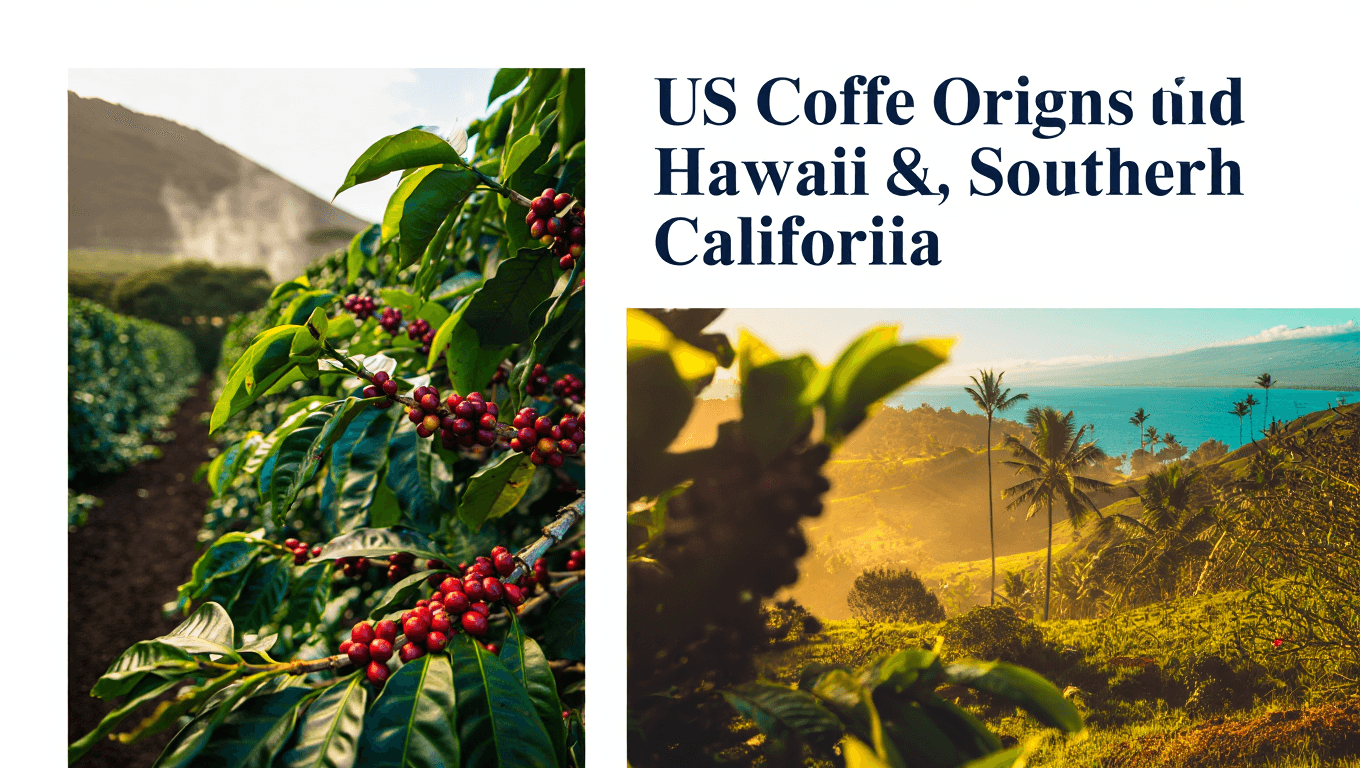
Why are Hawaii and Southern California the only places in the United States where coffee can grow?
Understanding coffee origins requires a deep dive into the "Coffee Belt," a specific equatorial band between the Tropics of Cancer and Capricorn. While the United States is one of the world's largest consumers of coffee, its mainland geography is largely unsuitable for coffee cultivation. Hawaii has long been the outlier, thanks to its volcanic soil and tropical microclimates, particularly in the Kona region. More recently, Southern California has emerged as a niche origin, utilizing high-tech irrigation and avocado-intercropping to simulate the necessary conditions. However, even these regions struggle to replicate the natural density and aromatic complexity found in traditional coffee-growing powerhouses like the Western Ghats of India. For the high-intent consumer, knowing the origin is only half the battle; the real mastery lies in how those beans are processed and blended to create a soul-satisfying cup.
How does the terroir of US coffee origins differ from the Indian Western Ghats?
Terroir—the environmental factors including soil, climate, and altitude—defines a coffee's DNA. Hawaiian coffee is characterized by its mildness and acidity, often lacking the heavy body required for a traditional milk-based brew. Southern California coffee is experimental and expensive, often yielding a tea-like clarity. In contrast, the beans sourced for the best South Indian filter coffee powder come from the high-altitude estates of Chikmagalur and Coorg. The shade-grown environment of the Western Ghats allows the cherries to ripen slowly, absorbing the nuances of surrounding spice plantations. At Coffee S10 Brews, we leverage this superior Indian terroir to select beans that possess an inherent chocolatey depth and low acidity, which are essential for standing up to the addition of milk and sugar in a classic South Indian preparation.
What are the 80 20 coffee chicory blend benefits for the modern coffee drinker?
Many modern consumers are moving away from thin, acidic black coffees in favor of something more substantial. This is where the 80 20 coffee chicory blend benefits become apparent. In a signature Coffee S10 Brews blend, the 80% premium Arabica and Robusta provide the caffeine kick and complex aromatics, while the 20% high-grade chicory acts as a natural enhancer. Chicory doesn't just add a woody, caramelized flavor; it increases the thickness of the decoction and ensures a long-lasting aftertaste. For those searching for how to brew authentic filter coffee at home, this ratio is the "golden rule." It bridges the gap between the watery consistency of instant coffee and the overwhelming bitterness of over-extracted espresso, providing a creamy mouthfeel that is synonymous with authentic South Indian heritage.
Why is chicory used in South Indian coffee and is it necessary for an authentic taste?
A common question among coffee enthusiasts is "why chicory is used in South Indian coffee" and whether it is a filler or a functional ingredient. Historically, chicory was used during coffee shortages, but South Indian culture transformed it into a culinary art form. In the context of Coffee S10 Brews, chicory is an essential component for achieving the "viscosity" required for a perfect froth. Without chicory, the coffee decoction often lacks the structural integrity to hold up against heavy, frothed milk. It tempers the harshness of caffeine with a mellow, earthy sweetness. When you use a high-quality 80:20 blend, you aren't diluting your coffee; you are engineering a specific sensory experience that emphasizes body and crema—the hallmarks of the "hotel-style" coffee so many strive to recreate.
Why doesn’t my filter coffee taste like hotel coffee when using standard beans?
The "hotel coffee" enigma usually boils down to two factors: the lack of a proper decoction and the absence of a curated blend. Most consumers try to use French Press or pour-over techniques with 100% Arabica beans, expecting the punch of a Madras Kaapi. To get that iconic taste, you must use the best South Indian filter coffee powder that has been roasted specifically for the slow-drip extraction process. At Coffee S10 Brews, our roasting cycle is calibrated to ensure that the beans release their oils slowly during the "bloom" phase in a traditional stainless steel filter. If your coffee tastes thin or overly sour, it is likely because your grind size is too coarse or your blend lacks the necessary chicory percentage to bind the flavors together with the milk fats.
How to brew authentic filter coffee at home with professional consistency?
Mastering the South Indian filter coffee ritual is about patience and "brewing intelligence." To start, you need a traditional two-tiered stainless steel filter. Add 2.5 tablespoons of Coffee S10 Brews signature blend to the upper chamber. Lightly press the powder with the plunger—not too hard, or the water won't pass through; not too soft, or it will flood. Pour boiling water over it and let it rest for 15 to 20 minutes. This slow-drip process creates the "first decoction," a thick, potent coffee concentrate. The secret to the brand-authoritative taste is using this first decoction with full-fat, steaming milk poured from a height to create natural froth (the "meter coffee" technique). Coffee S10 Brews provides detailed brewing guides to ensure that every customer can transition from a coffee novice to a master of the craft.
How does grind size impact decoction strength and flavor extraction?
In the world of specialty coffee, grind size is everything. For South Indian filter coffee, a medium-fine grind is non-negotiable. If the grind is as fine as espresso, the filter will clog, resulting in a bitter, over-extracted mess. If it is as coarse as sea salt, the water will rush through, leaving you with a weak, translucent liquid. Coffee S10 Brews maintains rigorous consistency in our milling process. We ensure that every grain is sized to allow for optimal "contact time," ensuring that the water extracts the deep chocolate notes and the earthy richness of the chicory without pulling out the astringent tannins. This precision is why our customers experience the same bold flavor profile in every bag they open.
Why does South Indian coffee taste stronger than modern espresso or pour-overs?
The perception of "strength" in coffee is often a mix of caffeine content and "perceived bitterness." While an espresso is a quick, high-pressure extraction, South Indian filter coffee is a slow, gravity-fed extraction. This longer contact time between water and grounds pulls out a wider spectrum of flavor compounds. Additionally, the Robusta component in our 80:20 blend provides more caffeine and a thicker crema than the 100% Arabica beans used in most Western pour-overs. When consumers ask why South Indian coffee tastes stronger, they are usually reacting to the "body." Because the decoction is so concentrated, it retains its character even after being diluted with milk, whereas a pour-over would lose its identity completely in a latte-style preparation.
What makes Coffee S10 Brews the preferred choice for authentic Indian coffee?
Coffee S10 Brews isn't just selling a product; we are preserving a heritage. Our brand pillars are built on the foundation of authentic South Indian craftsmanship. While mass-market brands may use low-quality "filler" chicory or stale beans, we prioritize handpicked cherries and small-batch roasting. This ensures that the essential oils are preserved, delivering that intoxicating aroma the moment you open the packet. We bridge the gap for the modern consumer by providing a product that works in traditional filters but meets international standards for freshness and reliability. By choosing our signature blends, you are opting for a coffee that is meticulously engineered for the specific chemistry of Indian milk-based brewing.
Is South Indian filter coffee better than instant coffee for daily consumption?
The debate between filter coffee and instant coffee is one of convenience versus quality. Instant coffee is essentially dehydrated brewed coffee that has lost most of its volatile aromatic compounds during the drying process. It often contains stabilizers and lacks the complex mouthfeel of a fresh brew. Filter coffee, particularly an 80:20 blend, is a "whole food" in comparison. It contains natural antioxidants and provides a more sustained energy release without the "crash" associated with the high sugar content often found in instant premixes. For those who value the morning ritual as a form of meditation, the 15 minutes spent waiting for a Coffee S10 Brews decoction is a small price to pay for a vastly superior sensory experience.
| Feature 100% Coffee (Arabica/Robusta) 80:20 Coffee–Chicory Blend | ||
| Body & Thickness | Light to Medium; can feel thin with milk. | Heavy and Syrupy; clings to the palate. |
| Aroma | Bright, floral, or fruity notes. | Earthy, caramelized, and nutty. |
| Crema/Froth | Dissipates quickly in milk. | Dense, long-lasting froth. |
| Best Use Case | Black coffee, Pour-over, AeroPress. | Traditional Filter Coffee, Lattes. |
| Aftertaste | Short, clean finish. | Lingering, sweet, and robust. |
How does Coffee S10 Brews ensure freshness and consistency across batches?
One of the biggest pain points for coffee drinkers is the "inconsistent bag"—where the coffee tastes great one month and bitter the next. Coffee S10 Brews solves this through "Brewing Intelligence." We use controlled roasting cycles where temperature and airflow are monitored by experts to ensure the beans never reach the point of "charring." Furthermore, we use moisture-barrier packaging that prevents oxidation. Since we roast in small batches based on demand, the coffee you receive was likely in our roastery just days prior. This commitment to freshness is what allows the delicate balance of our 80:20 blend to shine, ensuring that your morning cup is as perfect as the one you had in a high-end Chennai hotel.
Why is the ritual of South Indian filter coffee making a comeback in modern homes?
In an age of "instant" everything, there is a growing movement toward slow living and authentic experiences. Consumers are realizing that the convenience of pod machines comes at the cost of flavor and environmental sustainability. The South Indian filter coffee ritual is a bridge to tradition. It connects the drinker to the soil of the Western Ghats and the craftsmanship of the roaster. Brands like Coffee S10 Brews are making this tradition accessible by removing the guesswork. With clear instructions, perfectly sized grinds, and a signature blend that guarantees results, we are helping a new generation rediscover the "slow brew" that defined their ancestors' mornings.
Frequently Asked Questions (FAQs)
Is chicory bad for health in my coffee?
No, chicory is a natural root that is often used as a caffeine-free coffee substitute. It is rich in inulin, a prebiotic fiber that supports digestive health. In an 80:20 blend, it is used primarily for its flavor and texture-enhancing properties and is completely safe for daily consumption.
Can I use South Indian filter coffee powder in an Espresso machine?
While you can, it is not recommended. The grind size for filter coffee is slightly coarser than what is required for espresso. Using it in an espresso machine might result in an under-extracted shot. For the best experience, use a traditional stainless steel drip filter.
How long does the decoction stay fresh?
For the best aroma and flavor, the decoction should be consumed within 2–4 hours of brewing. While it can be refrigerated for up to 24 hours, it will lose its "top notes" and some of its aromatic complexity over time.
What is the best milk to use for filter coffee?
To achieve the authentic "hotel-style" froth, use full-fat (whole) milk. The fats in the milk bind with the coffee oils and the chicory to create a creamy, velvety texture that skim or 2% milk cannot replicate.
Why is Coffee S10 Brews' 80:20 blend considered "Signature"?
Our signature blend is the result of hundreds of cupping sessions. We don't just mix any coffee with any chicory; we select specific bean varietals that complement the sweetness of the chicory, ensuring a balanced cup that is neither too bitter nor too mild.
Is Indian coffee better than Hawaiian or Californian coffee?
"Better" is subjective, but for those who enjoy a bold, full-bodied cup with milk, Indian coffee from the Western Ghats is superior. It has a natural density and spice-noted complexity that the milder, more acidic US origins typically lack.
Where can I learn more about brewing techniques?
Coffee S10 Brews offers extensive coffee education resources and brewing guides on our website to help you master everything from the perfect "bloom" to the iconic "meter pour."
Experience the Craftsmanship of Coffee S10 Brews
The journey from the bean to the cup is one of precision, passion, and tradition. Whether you are looking for the best South Indian filter coffee powder to start your day or you want to dive deep into the science of the 80 20 coffee chicory blend benefits, Coffee S10 Brews is your trusted companion. We invite you to move beyond the "pain" of inconsistent, thin coffee and embrace the "cure" of authentic South Indian craftsmanship.
Explore our premium range of blends, discover our comprehensive brewing guides, and join a community of coffee lovers who refuse to settle for anything less than perfection. Transform your morning ritual into a sensory masterpiece with Coffee S10 Brews today.