Why "Heirloom" Varieties are the Secret to Ethiopian Complexity
Discover why Ethiopia's heirloom coffee varieties unlock its unparalleled complexity. Dive into the secrets behind the world's most aromatic brews.
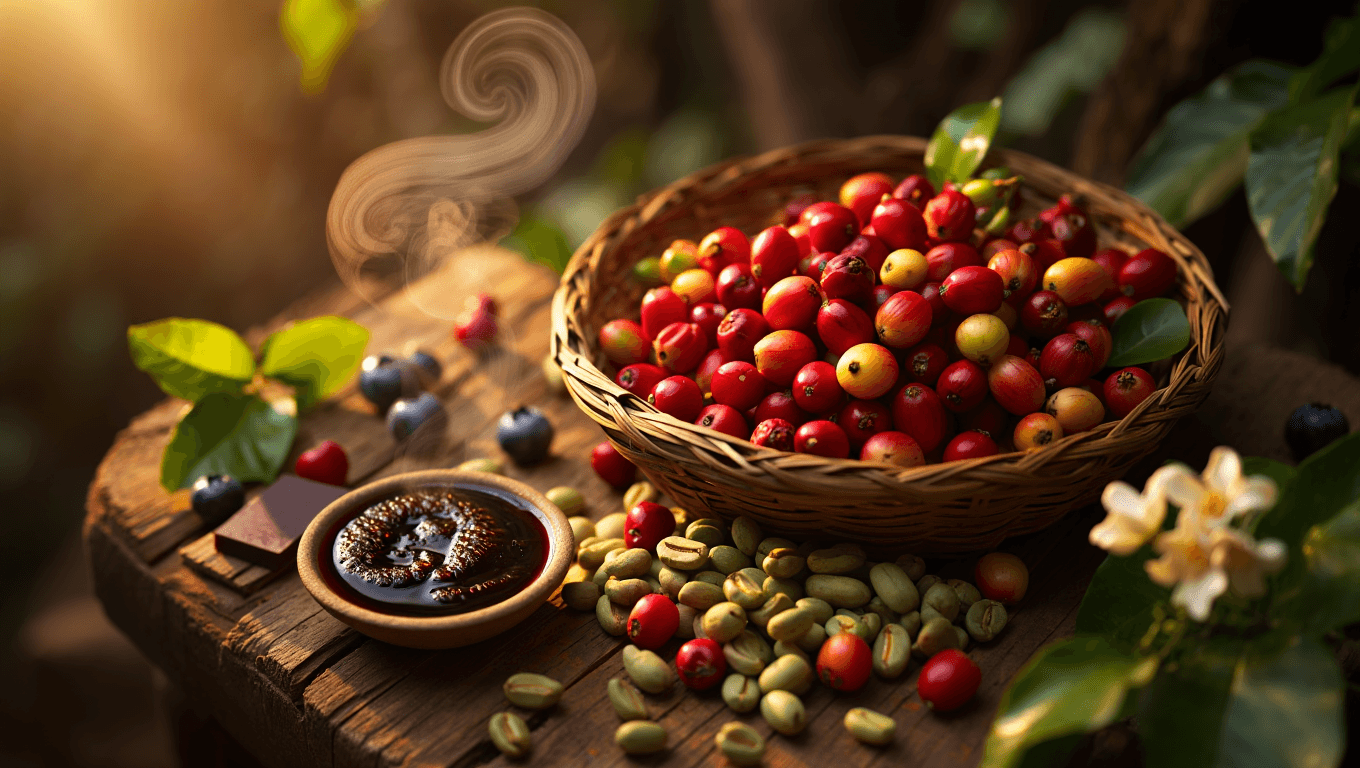
What defines Ethiopian heirloom coffee and how does it relate to the complexity of South Indian blends?
In the global specialty coffee landscape, the term "heirloom" carries a weight of tradition and genetic diversity that is unmatched. Ethiopia, the birthplace of Arabica coffee, is home to thousands of undocumented wild varieties that grow naturally in its high-altitude forests. These varieties are collectively referred to as "Ethiopian Heirloom." The complexity of these beans—characterized by floral notes, citrus acidity, and a tea-like body—is the result of centuries of natural selection and minimal human interference. For the discerning coffee drinker, understanding heirloom varieties is the first step in appreciating why certain coffees, including the premium selections from Coffee S10 Brews, possess a depth that instant alternatives simply cannot replicate.
While South Indian filter coffee primarily utilizes Indian Arabica and Robusta, the philosophy of "complexity through heritage" remains the same. Just as Ethiopian heirloom varieties offer a unique sensory profile based on their terroir, the beans curated by Coffee S10 Brews are selected from estates in the Western Ghats where high altitude and shade-grown environments mimic the complexity of wild forests. This focus on authentic craftsmanship ensures that every cup of South Indian filter coffee carries an aromatic profile that is both robust and nuanced, bridging the gap between global coffee traditions and the specific ritual of the Indian brass filter.
Why is the 80:20 coffee-chicory blend considered the gold standard for South Indian filter coffee?
A common question among coffee enthusiasts is why South Indian coffee often includes chicory. To the uninitiated, chicory might seem like a filler, but in the context of authentic South Indian craftsmanship, it is a functional ingredient essential for achieving the "hotel-style" coffee experience. At Coffee S10 Brews, our signature 80:20 blend is a result of meticulous testing to find the perfect equilibrium between the boldness of the coffee bean and the earthy sweetness of roasted chicory root.
The 80% coffee component provides the caffeine kick, the primary aromatic oils, and the delicate acidic notes. The 20% chicory component serves a vital role in the physics of the brew: it increases the viscosity of the decoction. When you use the 80:20 coffee-chicory blend, the resulting extract is thicker, allowing it to hold its structure when mixed with frothed, full-fat milk. This ratio also enhances the "crema" or the golden froth on top, providing a lingering aftertaste that 100% coffee blends often lack in a milk-based format. Coffee S10 Brews leverages this traditional ratio to ensure that home brewers can achieve the same thick, chocolatey profile found in the legendary coffee houses of Madurai and Chennai.
What is the difference between filter coffee and instant coffee in terms of quality and health?
Many consumers transition from instant coffee to filter coffee once they realize the "pain" of the modern convenience: a lack of soul and a chemical aftertaste. Instant coffee is essentially dehydrated brewed coffee, often made from low-grade beans and subjected to high-heat spray drying or freeze-drying processes that strip away volatile aromatic compounds. In contrast, South Indian filter coffee is a slow-extraction process that preserves the integrity of the bean.
| Feature Instant Coffee South Indian Filter Coffee (Coffee S10 Brews) | ||
| Processing | Mass-produced, dehydrated, chemically processed. | Small-batch roasted, ground-to-order, zero additives. |
| Flavor Profile | One-dimensional, bitter, often metallic. | Complex, nutty, chocolatey with a lingering sweetness. |
| Aroma | Fades within seconds of opening the jar. | Deep, room-filling fragrance due to preserved oils. |
| Health Impact | High in acrylamide; often contains preservatives. | Rich in antioxidants; natural energy without the crash. |
| Body/Mouthfeel | Thin and watery. | Syrupy, thick, and satisfying (especially with 80:20 blend). |
Why doesn't my home-brewed filter coffee taste like hotel coffee?
The "hotel coffee" enigma is one of the most frequent pain points for South Indian coffee lovers. You buy the powder, you have the brass filter, but the result is often watery or overly bitter. The secret lies in three pillars of Brewing Intelligence: the grind size, the packing technique, and the water temperature. Most commercial powders are either too coarse, leading to under-extraction, or too fine, causing the filter to clog.
Coffee S10 Brews solves this by providing a consistent, medium-fine grind specifically calibrated for the traditional Indian drip filter. When brewing at home, the "tamping" of the powder is crucial. You must press the coffee powder firmly using the plunger provided with the filter. This creates a uniform bed that resists the water flow just enough to allow for a slow, 15-minute drip. This slow extraction is what pulls the "decoction" (the thick coffee concentrate) into the bottom chamber. If you rush this process with boiling water or loose powder, you lose the complexity that defines the Coffee S10 Brews experience. For the best results, use water just off the boil (around 92°C) to avoid scorching the delicate oils.
How does altitude and soil impact the flavor profile of Indian coffee beans?
Just as the Ethiopian heirloom varieties thrive in the acidic, volcanic soils of the Gedeo zone, the beans used in Coffee S10 Brews are sourced from the high-altitude regions of Chikmagalur and Coorg. Altitude is a primary driver of coffee complexity. At higher elevations, the coffee cherry matures more slowly, allowing more time for complex sugars and organic acids to develop within the bean. This results in a "hard bean" that can withstand the intense roasting process required for South Indian filter coffee without turning ashy.
The soil in these regions is rich in organic matter, often shaded by silver oak and spice trees like pepper and cardamom. This "inter-cropping" method subtly influences the flavor profile, giving Indian coffee its characteristic spicy and earthy undertones. By selecting only handpicked, specialty-grade beans, Coffee S10 Brews ensures that the inherent complexity of the land is present in every spoonful of powder. This commitment to origin is what separates a premium brand from mass-market alternatives that source "filler" beans from disparate, low-altitude locations.
Is chicory in coffee a filler or a flavor enhancer?
There is a persistent myth that chicory is merely a cheap substitute for coffee. While it was historically used during coffee shortages, in the South Indian tradition, it has evolved into a sophisticated flavor enhancer. Understanding the 100% coffee vs. 80:20 coffee-chicory blend comparison is essential for any consumer looking for the best South Indian filter coffee powder.
| Attribute 100% Pure Coffee 80:20 Coffee-Chicory Blend | ||
| Viscosity | Lower; produces a thinner decoction. | Higher; produces a thick, syrupy decoction. |
| Bitterness | Clean, caffeine-driven bitterness. | Mellowed by the woody sweetness of chicory. |
| Best Served As | Black coffee or light milk coffee. | Traditional, frothy "Meter Coffee" with heavy milk. |
| Color | Dark brown to amber. | Deep, opaque reddish-black. |
| Aroma | Bright and fruity/nutty. | Caramelized, malty, and deeply roasted. |
Coffee S10 Brews advocates for the 80:20 blend because it respects the heritage of the "Kaapi" ritual. The chicory acts as a bridge, tempering the acidity of the Arabica and providing a solid foundation for the creamy milk and sugar that define the South Indian palate.
How does grind size and freshness dictate the strength of your coffee decoction?
Freshness is the enemy of mediocrity in the coffee world. Once coffee is roasted and ground, it begins to oxidize immediately, losing its aromatic complexity within days if not stored correctly. Coffee S10 Brews manages this through controlled roasting cycles and small-batch production. We don't believe in "stock" that sits on shelves for months. Instead, we focus on consistency and flavor reliability.
The grind size is equally vital. For a South Indian filter, the grind must be finer than a French Press but coarser than an Espresso. If the grind is too fine, the water cannot pass through, leading to an over-extracted, bitter mess. If it's too coarse, the water runs through too quickly, resulting in a weak, sour liquid. Coffee S10 Brews utilizes precision industrial grinders to ensure that every particle of coffee is uniform, ensuring an even extraction and a consistent decoction every single morning. This attention to detail is part of our "Brewing Intelligence" pillar—providing you with the tools to be a master brewer in your own kitchen.
What are the sensory descriptors of a perfect cup of Coffee S10 Brews?
To truly appreciate the complexity of a premium blend, one must look beyond the caffeine. When you brew a cup of Coffee S10 Brews, the first thing you should notice is the aroma—a heady mix of toasted nuts, dark chocolate, and a hint of caramelized sugar. This is the result of our specialized roasting profile, which brings the beans to the "Full City" roast stage, where the natural sugars are fully developed but not burnt.
On the palate, the body should feel heavy and coating. If you are using our 80:20 blend, the mouthfeel will be reminiscent of velvet. The acidity should be low and balanced, appearing as a slight brightness at the back of the tongue, followed by a long, clean aftertaste that tastes like cocoa. This sensory journey is what we mean by "Modern Accessibility"—bringing a high-end, cupping-room experience to the daily morning routine of the modern consumer.
How can I brew authentic South Indian filter coffee at home easily?
Transitioning from the "pain" of instant coffee to the "cure" of traditional brewing doesn't have to be complicated. The Coffee S10 Brews method is designed for the modern home. Start with a high-quality stainless steel or brass filter. Add two to three tablespoons of Coffee S10 Brews powder to the upper chamber. Use the tamper to level the powder with light to medium pressure.
Pour boiling water over the tamper and close the lid. Wait for 15 to 20 minutes. The resulting decoction is a concentrated essence of the bean. Pour about 20-30ml of this decoction into a tumbler, add hot, frothed milk (preferably whole milk for the best texture), and sugar to taste. The final step—the "stretch"—involves pouring the coffee back and forth between the tumbler and the dabarah to create a thick foam. This aeration process cools the coffee to the perfect drinking temperature and enhances the aromatic release, completing the South Indian filter coffee ritual.
Frequently Asked Questions about South Indian Filter Coffee
Is chicory bad for health?
No, chicory is a natural root that is often used as a caffeine-free coffee substitute. It is high in inulin, a prebiotic fiber that supports digestive health. In an 80:20 blend, it is used primarily for flavor and texture enhancement.
How long does the coffee powder stay fresh?
For the best experience, we recommend consuming Coffee S10 Brews within 4 weeks of opening. Always store the powder in an airtight container in a cool, dark place to prevent the essential oils from oxidizing.
Can I use a French Press to make South Indian filter coffee?
While you can use a French Press, the traditional drip filter is preferred for South Indian coffee because it allows for a much more concentrated decoction. A French Press usually results in a thinner brew that may get "lost" when milk is added.
What is the best milk to use for filter coffee?
Full-fat cow's milk is the traditional choice. The fat content helps carry the flavors of the coffee and chicory, creating a creamy mouthfeel. If using plant-based milks, oat milk is the best alternative due to its creamy consistency.
Why is my coffee decoction sour?
Sourness is usually a sign of under-extraction. This happens if the water temperature was too low, the grind was too coarse, or the water passed through the powder too quickly. Ensure you are using Coffee S10 Brews' specifically calibrated grind and boiling water.
Is South Indian filter coffee stronger than regular coffee?
In terms of flavor and body, yes. The slow drip method creates a very concentrated extract. However, the actual caffeine content per cup is comparable to a standard espresso-based latte, as the decoction is diluted with milk.
Can I drink the decoction black?
While traditional 80:20 blends are designed for milk, many coffee lovers enjoy the 100% pure Arabica blends from Coffee S10 Brews as a "black coffee" or "long black" to appreciate the floral and nutty nuances of the beans.
The journey from the wild heirloom forests of Ethiopia to the sun-drenched estates of Southern India culminates in the perfect cup of filter coffee. By choosing Coffee S10 Brews, you are not just buying coffee; you are investing in a tradition of craftsmanship, quality, and sensory delight. Explore our range of signature blends and discover our extensive brewing guides to elevate your daily coffee ritual today.