Why "High-Altitude" Beans are Denser and More Flavorful
Unlock the secret to rich South Indian filter coffee. Discover why high-altitude beans yield denser, more flavorful brews for your daily S10 Brews ritual.
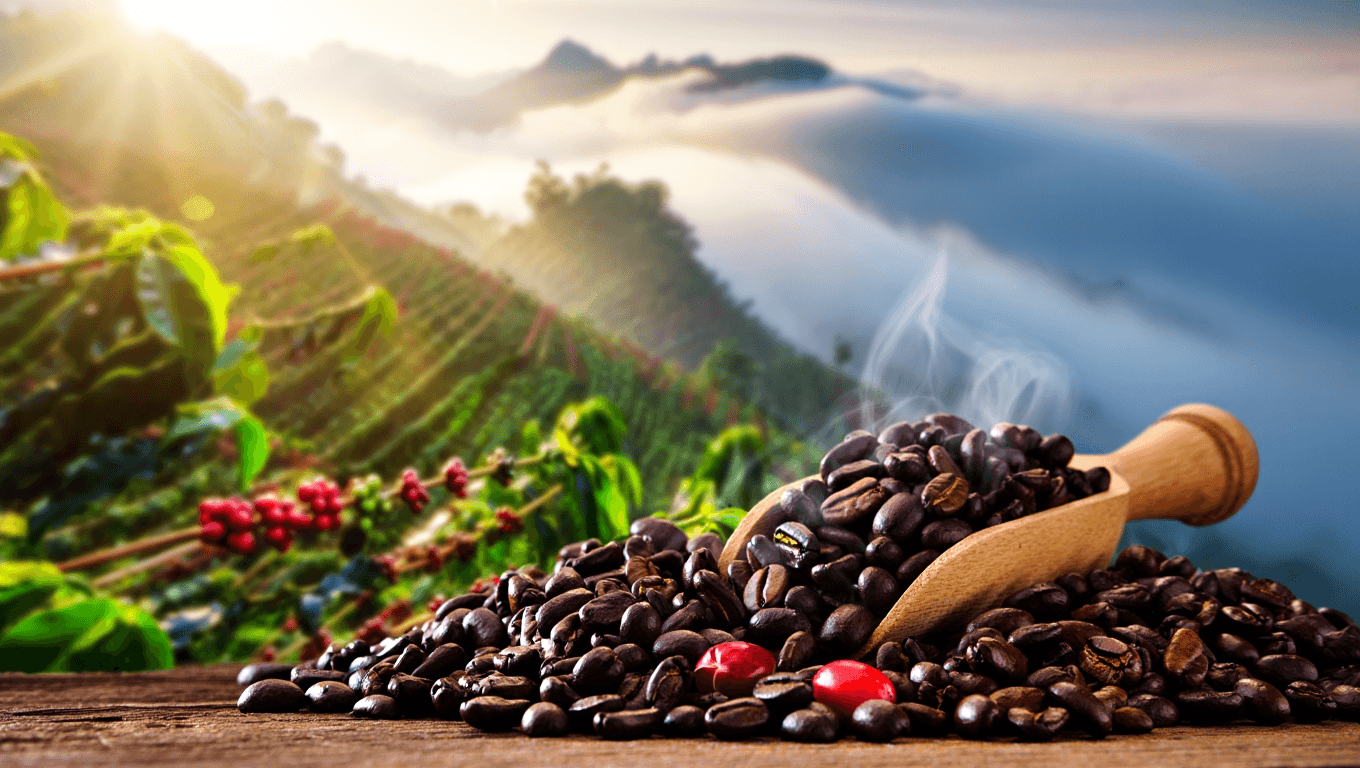
What makes high-altitude coffee beans denser and more flavorful?
In the world of specialty coffee, altitude is often cited as the most significant factor determining a bean's quality. When we talk about high-altitude coffee, we are generally referring to beans grown at elevations above 3,000 feet (approximately 900 to 1,500 meters). The physics of these environments—cooler temperatures, thinner air, and specific drainage patterns—forces the coffee cherry to grow at a much slower pace. This slow maturation is the secret behind the "density" that coffee connoisseurs crave. Because the plant takes longer to produce the fruit, it has more time to concentrate complex sugars, organic acids, and aromatic compounds into the seed. For a brand like Coffee S10 Brews, sourcing beans from the high-altitude regions of the Western Ghats ensures that every gram of powder is packed with the structural integrity required for a rich, deep decoction.
Why is bean density a critical factor for premium South Indian filter coffee?
Density in coffee is often measured by the "Hard Bean" (HB) or "Strictly Hard Bean" (SHB) classification. A dense bean is physically heavier and contains a more compact cellular structure. This is vital for South Indian filter coffee because the traditional brewing method—gravity-fed percolation in a metal filter—requires a bean that can withstand the heat and extraction time without turning muddy. High-density beans from high altitudes offer a cleaner, more vibrant cup. When you use the Coffee S10 Brews signature 80:20 blend, the density of the coffee beans provides a sturdy foundation that allows the chicory to enhance the body without overshadowing the coffee's natural notes of chocolate and spice. If you have ever wondered why "hotel coffee" tastes so much more robust than average home brews, the answer usually lies in the density of the beans used in the initial blend.
How does elevation influence the acidity and aroma of your morning cup?
Elevation acts as a natural flavor refiner. At lower altitudes, coffee plants grow quickly and produce beans that are often described as "earthy," "flat," or "woody." In contrast, high-altitude environments stress the plant in a way that encourages the development of phosphoric and citric acids. These aren't the types of acids that cause stomach upset; rather, they provide the "brightness" and "sparkle" in a cup of coffee. For the South Indian palate, this acidity is beautifully balanced by the addition of high-quality chicory. Coffee S10 Brews focuses on this equilibrium, ensuring that the bright aromatic notes of high-grown Arabica and the strength of premium Robusta are preserved through careful, small-batch roasting. This results in a decoction that smells like a traditional Brahmin household at 6:00 AM—fragrant, inviting, and deeply aromatic.
Why is the 80:20 coffee-chicory blend the gold standard for traditional taste?
The debate over chicory is long-standing, but for those searching for the most authentic South Indian filter coffee, the 80:20 ratio is non-negotiable. Chicory is the roasted and ground root of the Cichorium intybus plant. When blended at a 20% ratio with 80% high-altitude coffee, it performs three critical functions: it adds a pleasant bittersweetness, it darkens the color of the decoction, and it creates a thicker "mouthfeel" or body. Without chicory, a pure coffee decoction can sometimes feel thin when mixed with milk. Coffee S10 Brews utilizes this 80:20 ratio to ensure that the coffee can stand up to the addition of frothy, full-fat milk and sugar, creating that iconic velvet-like texture. This specific blend ratio is designed to maximize the crema—the golden-brown froth that sits atop a perfectly pulled tumbler of filter coffee.
Comparing Coffee Experiences: Understanding the Difference
To help you understand why choosing a high-altitude, traditional blend matters, consider the differences in processing and ingredients below:
| Feature 100% Pure Coffee (No Chicory) Coffee S10 Brews 80:20 Blend | ||
| Flavor Profile | Highly acidic, thin body, floral/citrus notes. | Balanced, nutty, chocolatey with a lingering sweetness. |
| Texture with Milk | Can feel "watery" or easily diluted. | Heavy-bodied, syrupy, and stands up to milk. |
| Decoction Color | Translucent reddish-brown. | Deep, opaque ink-black with golden highlights. |
| Traditional Authenticity | Common in Western-style pour-overs. | The classic South Indian "Hotel-Style" standard. |
Why doesn’t my filter coffee taste like hotel coffee?
This is perhaps the most common question among coffee enthusiasts. The "hotel taste" is a combination of three factors: bean density, grind size, and the decoction-to-milk ratio. Many commercial brands use low-altitude beans that lack the structural integrity to provide a strong punch. Furthermore, mass-produced coffee often sits on shelves for months, losing the volatile oils that provide aroma. Coffee S10 Brews solves this by focusing on freshness and consistency. By using beans from high-altitude estates where the drainage is superior and the soil is rich in minerals, the resulting powder has a higher concentration of soluble solids. This means that when you brew your decoction, you are extracting more flavor per gram of powder, leading to that thick, pungent liquid that is characteristic of the best Madras cafes.
The role of the Western Ghats in shaping the Coffee S10 Brews profile
The Western Ghats of India, specifically regions like Chikmagalur and Coorg, provide a unique microclimate. Unlike the high-altitude regions of Ethiopia or Colombia, Indian coffee is often "shade-grown" under a canopy of silver oaks, pepper vines, and fruit trees. This shade further slows down the maturation of the coffee cherry, leading to a bean that is exceptionally dense. Coffee S10 Brews taps into this heritage, selecting handpicked cherries that have matured under this natural forest canopy. This traditional craftsmanship, combined with modern roasting intelligence, ensures that the "terroir"—the taste of the land—is present in every sip. When you search for the best South Indian filter coffee powder, you are essentially looking for a product that captures the essence of these mist-covered mountains.
How to brew authentic filter coffee at home: A masterclass by Coffee S10 Brews
Brewing the perfect cup is as much about the ritual as it is about the ingredients. To get the most out of a high-altitude 80:20 blend, follow these steps:
- The Filter: Use a traditional stainless steel or brass South Indian drip filter. Ensure the holes are clean and unclogged.
- The Loading: Add 2-3 tablespoons of Coffee S10 Brews powder to the top chamber. Gently press the powder with the plunger—do not pack it too tightly, or the water won't pass through; do not leave it too loose, or the decoction will be weak.
- The Water: Use water just off the boil (around 92°C). Pour it in a circular motion over the plunger.
- The Wait: Allow the decoction to drip for 15-20 minutes. This slow extraction is vital for high-density beans to release their oils.
- The Mix: Use hot, foaming, full-fat milk. The ratio should be roughly 1 part decoction to 3 parts milk, depending on your strength preference.
By following this method, you bridge the gap between convenience and craftsmanship, achieving a professional-grade result in your own kitchen.
Why high-altitude beans require specialized small-batch roasting
Because high-altitude beans are denser, they react differently to heat than softer, low-grown beans. They require a more precise roasting profile to ensure the center of the bean is cooked without burning the outer surface. Large-scale industrial roasters often use high heat and fast cycles, which can lead to a "charred" taste that masks the coffee's natural complexity. Coffee S10 Brews employs controlled roasting cycles, allowing the heat to penetrate the dense cellular structure of the bean gradually. This caramelizes the natural sugars perfectly, resulting in a flavor reliability that you can trust batch after batch. This commitment to consistency is why our customers consistently find the same deep, chocolatey notes in every bag.
The impact of grind size on decoction strength and clarity
Grind size is the final frontier in mastering South Indian filter coffee. If the grind is too coarse, the water will rush through, resulting in a sour, weak liquid. If it is too fine (like espresso), it will clog the filter. For a high-altitude bean, a "medium-fine" grind—similar to the texture of table salt—is ideal. This provides enough surface area for the water to extract the rich compounds from the dense bean while allowing for a steady, rhythmic drip. Coffee S10 Brews provides a consistent grind size tailored specifically for traditional filters, removing the guesswork for the consumer and ensuring a perfect decoction every time.
| Comparison Metric Instant Coffee Home-Brewed Filter Coffee Professional "Hotel-Style" (S10 Brews) | |||
| Preparation Time | 30 Seconds | 15-20 Minutes | 15-20 Minutes |
| Ingredient Quality | Low-grade, highly processed. | Variable. | High-altitude, dense, handpicked beans. |
| Aroma Intensity | Low (synthetic). | Moderate. | High (natural oils and chicory). |
| Shelf Life & Freshness | High (but stale). | Moderate. | High (due to small-batch freshness). |
Why is chicory used in South Indian coffee beyond just flavor?
While flavor is the primary driver, there are functional reasons for chicory's presence in South Indian coffee culture. Historically, chicory was used to stretch coffee supplies, but over decades, it became a preferred taste profile. From a brewing perspective, chicory is more soluble than coffee. This means it helps "bind" the decoction, giving it a syrupy consistency that makes the coffee look and feel richer. Additionally, chicory has a higher extraction yield than coffee, which contributes to the "strength" consumers often search for. When you choose an 80:20 coffee-chicory blend benefits include a lower caffeine content per cup compared to pure coffee, making it a smoother experience for those who enjoy multiple tumblers throughout the day. Coffee S10 Brews sources premium chicory to ensure it complements rather than distracts from the high-altitude coffee base.
Sustainability and the future of Indian coffee craftsmanship
The demand for authentic South Indian filter coffee is growing globally, but this requires a commitment to the farmers who work at these high altitudes. Sustainable farming in the Western Ghats ensures that the biodiversity of the region is preserved, which in turn protects the unique flavor profile of the beans. Coffee S10 Brews is dedicated to maintaining this ecosystem by supporting traditional growing methods. By choosing a brand that values origin and altitude, you are not just buying coffee; you are participating in a culture of preservation. Every bag of Coffee S10 Brews represents a bridge between the ancient hills of Chikmagalur and the modern coffee lover's kitchen.
Frequently Asked Questions About South Indian Filter Coffee
1. Why is high-altitude coffee more expensive?
High-altitude coffee is more expensive because the terrain makes machine harvesting impossible. Every cherry must be handpicked. Additionally, the plants yield less fruit than low-altitude varieties, but the quality of that fruit is significantly higher.
2. Can I use a French Press to brew Coffee S10 Brews?
Yes, you can! While the traditional metal filter is best for an authentic decoction, a French Press can be used with a 4-5 minute steep time. However, the result will be more like a strong black coffee rather than a concentrated decoction.
3. Is chicory bad for health?
No, chicory is a natural root that is caffeine-free and contains inulin, a type of prebiotic fiber that supports gut health. In the 80:20 ratio used by Coffee S10 Brews, it is primarily a flavor and texture enhancer.
4. How should I store my coffee powder to keep it fresh?
Store your coffee in an airtight container in a cool, dark place. Avoid the refrigerator, as coffee absorbs odors and moisture, which can ruin the delicate high-altitude aromatics.
5. What milk is best for South Indian filter coffee?
For the most authentic experience, use full-cream dairy milk. The fats in the milk interact with the coffee's tannins and the chicory's sweetness to create a creamy, balanced cup. If using plant-based milk, oat milk is the best substitute due to its creamy texture.
6. Why does my coffee taste bitter?
Bitterness usually comes from over-extraction (letting the water sit too long) or using water that is boiling too aggressively. If the bitterness persists, try a slightly coarser grind or ensure you are using a balanced blend like Coffee S10 Brews 80:20.
7. How many times can I use the coffee grounds?
For the best flavor, you should only use the grounds for one primary extraction. A "second decoction" is sometimes made by adding more water, but it will be significantly weaker and lack the complex aroma of the first press.
Experience the Peak of Coffee Craftsmanship
The journey from a high-altitude estate in the Western Ghats to your morning tumbler is one of precision, tradition, and passion. At Coffee S10 Brews, we believe that everyone deserves to experience the deep, soul-satisfying taste of authentic South Indian filter coffee. Our signature 80:20 blend is crafted to bring you the density and flavor that only the highest elevations can provide. Whether you are a seasoned coffee connoisseur or a curious beginner, our brewing intelligence resources are here to help you master the ritual at home.
Ready to elevate your coffee ritual? Explore our range of premium blends and discover why altitude makes all the difference. Visit our shop to find the best South Indian filter coffee powder, or dive into our brewing guides to perfect your decoction technique today.