Why "Micro-Climates" Can Change a Single Farm’s Flavor Output
Unlock the secrets of coffee taste! Discover how unique micro-climates on a single farm shape bean flavor output. Elevate your daily brew with Coffee S10 Brews.
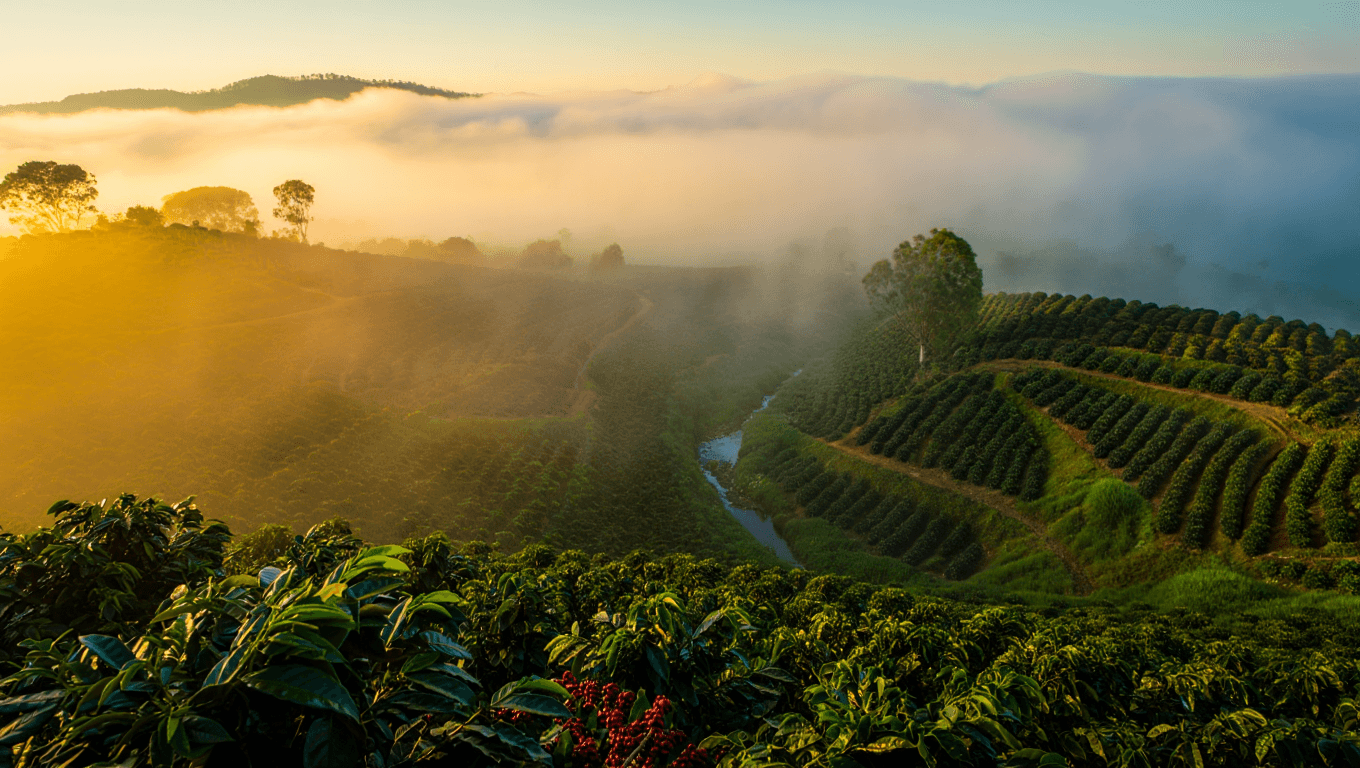
How do micro-climates define the flavor profile of South Indian filter coffee?
In the world of specialty coffee, the term "terroir" is often used to describe how the environment shapes the bean. However, for the connoisseur seeking the best South Indian filter coffee powder, the concept of micro-climates is even more critical. A micro-climate refers to the specific atmospheric conditions of a small, localized area—sometimes even a single acre within a larger plantation. In the lush Western Ghats of India, where Coffee S10 Brews sources its beans, micro-climates are created by varying altitudes, unique wind patterns, and the specific density of the overhead canopy. These factors dictate the temperature and moisture levels the coffee cherries experience, which directly influences the rate of maturation. When coffee matures slowly in a cool, shaded micro-climate, it develops higher density and more complex sugars. This results in a decoction that is naturally sweeter, less acidic, and possesses a velvety body that instant alternatives simply cannot replicate.
Why is the altitude of the Western Ghats critical for Arabica and Robusta beans?
Altitude is perhaps the most influential element of a micro-climate. For high-intent coffee drinkers, understanding altitude helps answer the question: "Why does South Indian coffee taste stronger and more nuanced?" Coffee S10 Brews utilizes beans grown at elevations where the air is thinner and the nights are cooler. This environmental stress forces the coffee plant to focus its energy on bean development rather than rapid growth. Arabica beans grown at these heights offer delicate floral and citrus notes, while high-altitude Robusta—a staple in traditional South Indian blends—provides the structural "punch" and thick crema required for a perfect tumbler of milk-based coffee. By sourcing from specific altitudinal zones, we ensure that every batch of our signature blend maintains a consistent flavor density, providing that "hotel-style" richness right in your home kitchen.
How does rainfall and humidity affect the sugar content in coffee cherries?
The moisture levels in a specific farm's micro-climate act as a natural regulator for the coffee’s sweetness. In regions with high humidity and mist, such as Chikmagalur or Coorg, the coffee cherries retain more moisture, leading to a slower drying process during the ripening stage. This allows for a deeper concentration of fructose within the bean. If you have ever wondered why some coffee feels "thin" while Coffee S10 Brews feels "syrupy" and full-bodied, the answer lies in this moisture management. Our roasting process is specifically calibrated to preserve these natural sugars. When these sugar-dense beans are ground and brewed using a traditional brass filter, they produce a thick, dark decoction that carries a natural caramel-like aftertaste, reducing the need for excessive added sugar.
Why does a single farm produce different tasting beans in different plots?
It is a common misconception that all coffee from one region tastes the same. Even on a single estate, a plot of land facing the morning sun will produce a vastly different flavor profile than a plot on the leeward side of a hill. The "slope effect" changes how water drains and how much sunlight the cherries receive. A sun-drenched plot might produce beans with more chocolatey, bold notes, while a shaded, damp valley plot might yield beans with more fermented, fruity characteristics. Coffee S10 Brews embraces this diversity through meticulous small-batch roasting. By understanding the specific plot origins, we can blend these micro-variations into a harmonious 80:20 coffee-chicory ratio that offers a balanced sensory experience—starting with a bright aroma and ending with a deep, earthy finish.
What role does shade-grown farming play in the Coffee S10 Brews profile?
Traditional South Indian filter coffee is intrinsically linked to shade-grown cultivation. Unlike mass-produced sun-grown coffee that strips the land, the micro-climates under the canopy of silver oaks, pepper vines, and orange trees provide a sanctuary for coffee plants. This shade mimics the coffee plant's natural ancestral environment. It regulates the soil temperature and prevents the cherries from "scorching," which often leads to the harsh, rubbery bitterness found in low-quality commercial coffee. For the home brewer, shade-grown beans from Coffee S10 Brews mean a smoother cup. The slower growth under a canopy results in a bean that is physically harder and more resistant to heat during roasting, ensuring that the final powder doesn't have a "burnt" taste but rather a rich, toasted profile.
Why is the 80:20 coffee–chicory blend the perfect match for micro-climate beans?
The debate over "is chicory bad or necessary" is often misunderstood. In the context of authentic South Indian filter coffee, chicory is not a filler; it is a functional enhancer. High-quality beans from specific micro-climates are rich in volatile oils and delicate aromatics. However, these oils can sometimes be too light to stand up to the addition of thick, frothed milk. Chicory, when used in our signature 80:20 blend, acts as an anchor. It increases the "solubility" of the decoction, giving it a darker color and a slightly woody depth that complements the bright acidity of high-altitude Arabica. This specific ratio ensures that the nuanced flavors derived from the farm's micro-climate are not lost, but rather amplified, creating the heavy body and long-lasting aftertaste that defines the traditional filter coffee experience.
Comparing the Coffee Experience: From Instant to Authentic
To understand why micro-climate sourcing and traditional blending matter, it is helpful to look at how different coffee types compare in terms of preparation and sensory output.
| Feature Instant Coffee 100% Pure Ground Coffee Coffee S10 Brews (80:20 Blend) | |||
| Body & Texture | Thin and watery | Medium, often acidic | Thick, syrupy, and "Hotel-style" |
| Aroma Intensity | Fades quickly | High but delicate | Strong, lingering, and earthy |
| Extraction Method | Chemical dehydration | Pressure or gravity brew | Traditional slow-drip decoction |
| Best Enjoyed As | Quick caffeine fix | Black coffee / Espresso | Classic Milk-based Filter Coffee |
| Micro-climate Impact | Non-existent (processed) | Very high | Optimized for milk pairing |
How do soil composition and 'Terroir' impact your morning decoction?
The micro-climate isn't just about what's in the air; it's about what's in the ground. The volcanic, iron-rich soils of the Indian coffee belt provide the necessary minerals for the plant to develop its signature strength. When you brew Coffee S10 Brews, the mineral content of the soil where the beans were grown influences the "mouthfeel" of the coffee. Soil with high organic matter—thanks to fallen leaves from the shade trees—creates a more alkaline environment, which rounds out the sharp edges of the caffeine. This is why our coffee is often described as "smooth" rather than "biting." For the consumer searching for "why South Indian coffee tastes stronger," the answer is a combination of these nutrient-dense soils and our specialized roasting techniques that bring these minerals to the forefront of the flavor profile.
The science of roasting micro-climate beans for consistency
Because micro-climates produce beans with varying densities, a "one size fits all" roasting approach is a recipe for mediocrity. At Coffee S10 Brews, we utilize brewing intelligence to monitor every batch. Denser beans from higher, cooler micro-climates require a different heat application curve than beans from lower elevations. Our master roasters use small-batch techniques to ensure that the internal temperature of the bean is reached without charring the outer oils. This precision is what allows us to offer consistency. Whether you buy a pack today or six months from now, the "crema" on your decoction and the aromatic peak of your cup will remain identical, bridging the gap between the unpredictability of nature and the need for a reliable daily ritual.
How to brew authentic filter coffee at home using micro-climate beans
Many consumers ask, "Why doesn’t my filter coffee taste like hotel coffee?" The secret lies in the decoction process. Using a premium 80:20 blend like Coffee S10 Brews is the first step, but the technique must honor the bean’s origin.
- The Grind: We provide a medium-fine grind that is specifically engineered for the gravity-drip method. Too fine, and the water won't pass through; too coarse, and you lose the micro-climate nuances.
- The Water: Use water just off the boil (around 92°C). This temperature is ideal for extracting the sugars developed in the shaded plantations without scalding the delicate oils.
- The Wait: Allow 15–20 minutes for the slow-drip process. This patience rewards you with a "first decoction" that contains the highest concentration of flavor and aroma.
By following these steps, you are not just making a drink; you are participating in a centuries-old South Indian craftsmanship ritual.
Why Coffee S10 Brews focuses on small-batch sourcing
In a global market dominated by industrial-scale farming, Coffee S10 Brews remains committed to the "small-batch" philosophy. Sourcing from specific micro-climates means we cannot produce millions of tons of identical coffee—and we don't want to. Our focus is on quality over quantity. Small-batch sourcing allows us to trace our beans back to the very hillsides where they were grown, ensuring that the farmers follow sustainable, shade-grown practices. This modern accessibility to traditional quality means you get the freshest possible product, roasted to order and delivered with the full integrity of the Western Ghats' unique climate intact.
Comparing Coffee-Chicory Ratios for the Perfect Cup
Choosing the right blend depends on your personal preference for body and strength. Here is how the 80:20 ratio stands out against other common preparations.
| Blend Ratio Flavor Profile Decoction Thickness Best For | |||
| 100% Arabica | Acidic, fruity, light | Thin | Black coffee / Pour-over |
| 70:30 Blend | Very heavy, bitter-sweet | Very thick | Those who like extremely strong coffee |
| 80:20 Blend (Coffee S10 Brews) | Balanced, aromatic, rich | Optimal "Syrupy" | Traditional South Indian Milk Coffee |
| Instant Coffee | Neutral, flat | None | Travel / Convenience |
Frequently Asked Questions about South Indian Filter Coffee
1. Why is the 80:20 coffee-chicory blend better than 100% pure coffee for filter coffee?
The 80:20 ratio is considered the "gold standard" because the 20% chicory adds the necessary body, color, and thickness to the decoction. Pure coffee can often feel too thin when mixed with milk, whereas the 80:20 blend ensures the coffee flavor cuts through the creaminess of the milk.
2. How does the micro-climate affect the caffeine content in my cup?
Generally, coffee grown at higher altitudes (cooler micro-climates) has slightly less caffeine but more flavor complexity. However, the inclusion of premium Robusta beans in South Indian blends provides a natural caffeine boost, giving you the "kick" you expect from your morning cup.
3. Why does my home-brewed coffee lack the "aroma" of Coffee S10 Brews?
Aroma is highly volatile. If coffee is mass-produced and sits on a shelf for months, the aromatic compounds vanish. Coffee S10 Brews focuses on freshness and controlled roasting cycles to lock in the scents of the micro-climate, such as earth, chocolate, and spice.
4. Is chicory used to hide low-quality coffee beans?
While some brands might use chicory to mask poor beans, Coffee S10 Brews uses it as a culinary tool. We source high-grade beans from specific micro-climates and use chicory specifically to enhance the texture and mouthfeel of the traditional decoction.
5. What is the best way to store South Indian filter coffee powder to keep it fresh?
To preserve the delicate micro-climate notes, store your Coffee S10 Brews powder in an airtight container in a cool, dark place. Avoid the refrigerator, as coffee absorbs odors and moisture, which can ruin the roast profile.
6. Does the type of milk I use affect the taste of the micro-climate beans?
Yes. Traditional South Indian filter coffee is best enjoyed with full-fat, high-quality milk. The fats in the milk bind with the oils in the coffee, amplifying the sweetness and creating that signature frothy "crema" on top of the tumbler.
7. How can I tell if my coffee beans were shade-grown?
Shade-grown coffee typically has a smoother, less "acid-burn" taste. You will notice a lack of harshness in the throat. Coffee S10 Brews explicitly sources from shaded plantations to ensure this premium, gentle flavor profile.
Experience the Craftsmanship of Coffee S10 Brews
The journey from a single shaded hillside in the Western Ghats to your morning coffee tumbler is one of precision, tradition, and respect for nature. By understanding the impact of micro-climates, you can better appreciate the depth and complexity of every sip. Coffee S10 Brews is dedicated to bringing you this authentic experience, combining the wisdom of traditional South Indian coffee culture with modern roasting excellence. Whether you are a lifelong filter coffee lover or a curious newcomer, our blends offer the perfect gateway to mastering the art of the brew at home.
Ready to elevate your daily coffee ritual? Explore our range of premium blends and master the art of the perfect decoction with our expert resources.
- Shop our Signature 80:20 Blend: Experience the perfect balance of micro-climate Arabica and Robusta.
- Brewing Guides: Learn how to use a traditional coffee filter for maximum flavor extraction.
- Coffee Education: Deepen your knowledge of Indian coffee origins and roasting techniques.