Why "Micro-lot" Sourcing Is the Best Way to Discover New Flavors
Discover extraordinary coffee flavors! Coffee S10 Brews reveals why micro-lot sourcing unearths unique beans for your perfect South Indian filter brew. Elevate your cup.
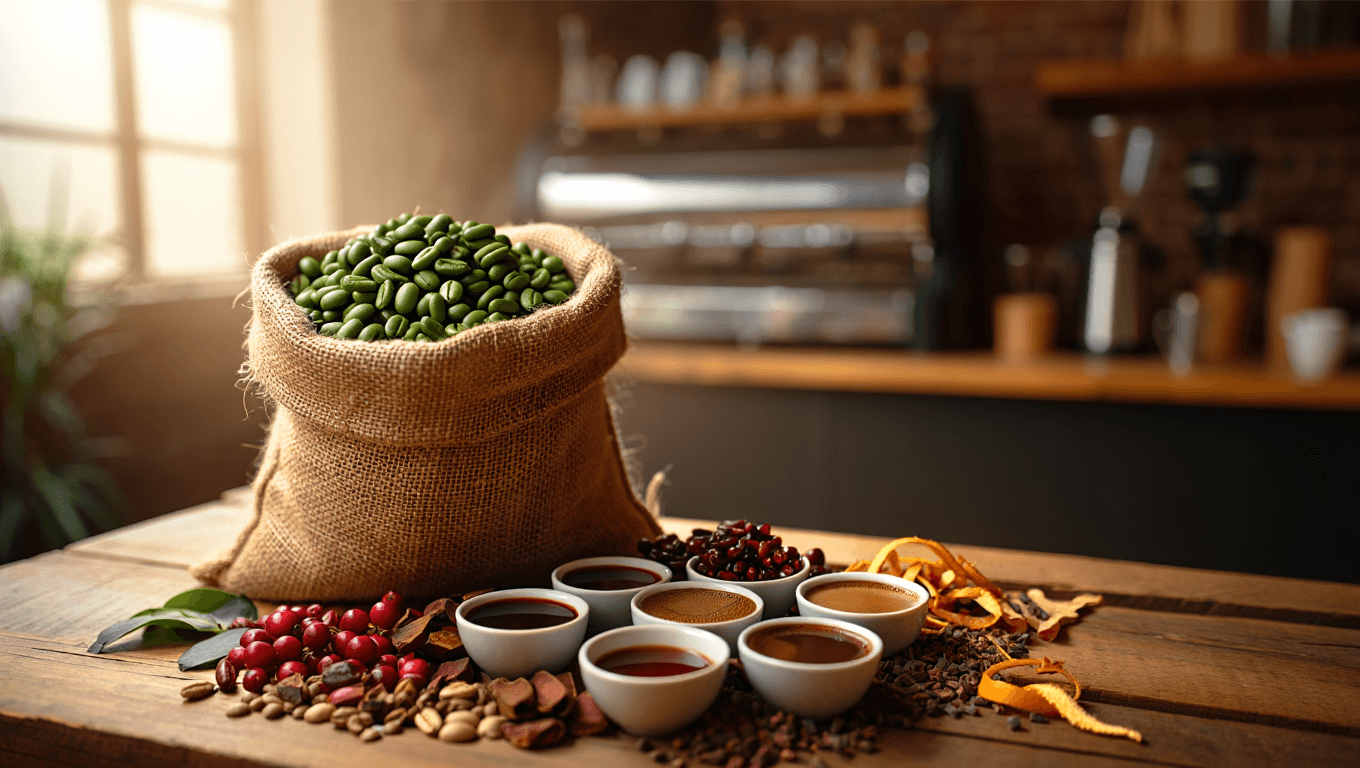
What is micro-lot coffee and why is it essential for the best South Indian filter coffee experience?
In the world of specialty coffee, the term "micro-lot" represents the pinnacle of traceability and quality control. Unlike mass-produced commodity coffee, which blends beans from thousands of different farms regardless of their specific flavor profiles, a micro-lot comes from a specific plot of land on a single estate. For enthusiasts searching for the best South Indian filter coffee powder, understanding micro-lot sourcing is the first step toward moving away from the bitter, flat taste of commercial brands. When coffee is sourced from a micro-lot, the farmer pays meticulous attention to the altitude, soil health, and harvesting methods. This ensures that every bean in your bag has reached its peak potential.
Coffee S10 Brews utilizes this micro-lot philosophy to bridge the gap between tradition and modern precision. By focusing on specific high-altitude regions in the Western Ghats, we ensure that the Arabica and Robusta beans used in our blends possess a distinct character. This micro-lot approach allows us to capture the nuances of the soil, resulting in a cup that has a natural sweetness and a complex aroma that mass-market brands simply cannot replicate. When you brew with micro-lot sourced beans, you aren't just making a drink; you are experiencing the unique fingerprint of a specific Indian coffee estate.
Why does micro-lot sourcing produce a superior 80:20 coffee-chicory blend?
A common question among coffee lovers is why chicory is used in South Indian coffee. While some view it as a filler, true connoisseurs know that high-quality chicory, when blended with micro-lot coffee, creates a synergistic effect. The 80:20 coffee-chicory blend is the golden ratio of South Indian tradition. However, the success of this blend depends entirely on the quality of the coffee beans. If the beans are low-quality or over-roasted, the chicory will only amplify the bitterness. Conversely, when premium micro-lot beans are used, the chicory acts as a flavor enhancer, adding a woody, nutty depth and creating a thicker, more viscous decoction.
At Coffee S10 Brews, our signature 80:20 blend is crafted with surgical precision. We select micro-lot beans that have a chocolatey and nutty profile, which perfectly complements the earthy notes of premium chicory. This specific ratio ensures that the coffee’s inherent flavors aren't masked. Instead, the chicory supports the body of the coffee, leading to that rich, velvet-like "crema" on top of your decoction. Many consumers ask about 80 20 coffee chicory blend benefits; the primary benefit is a balanced cup that offers high intensity without the harsh acidity found in pure coffee or the overwhelming bitterness of poorly balanced blends.
Why doesn’t my home-brewed filter coffee taste like traditional hotel coffee?
One of the most frequent complaints from coffee drinkers is the inability to replicate that "hotel-style" filter coffee at home. The secret often lies in the freshness of the grind and the consistency of the sourcing. Most "hotel coffee" relies on a heavy body and a lingering aftertaste, achieved through specific roasting cycles and the use of high-quality chicory. If your home brew feels thin or lacks aroma, it is likely because the coffee powder you are using is either stale or made from inconsistent, mass-aggregated beans. Commercial powders often sit on shelves for months, losing the volatile oils that provide that signature aroma.
Coffee S10 Brews solves this by focusing on small-batch roasting. Because we source from micro-lots, we can control the roasting profile for every single batch, ensuring the grind size is perfectly calibrated for traditional stainless steel or brass filters. A consistent grind is vital because if the powder is too coarse, the water passes through too quickly, resulting in a weak decoction. If it is too fine, the filter clogs. By mastering the synergy between micro-lot quality and precision grinding, we allow you to achieve that elusive, thick, and aromatic "hotel-style" decoction in your own kitchen.
| Feature Hotel-Style Filter Coffee Standard Home-Brewed (Instant/Mass Powder) | ||
| Texture/Body | Thick, syrupy, and viscous | Thin and watery |
| Aroma | Strong, lingering, nutty/earthy | Faint or chemically enhanced |
| Decoction Strength | High; requires slow-drip extraction | Low; lacks depth |
| Milk Interaction | Cuts through fat to maintain coffee flavor | Disappears or tastes like "coffee milk" |
How does terroir affect the aroma and body of your morning filter coffee?
The concept of "terroir"—a French term referring to the environmental factors like soil, climate, and sunlight—is usually associated with wine, but it is equally vital for coffee. South Indian coffee grown in the shade of the Western Ghats develops differently than coffee grown in full sun. Micro-lot sourcing allows Coffee S10 Brews to select beans from estates that practice "shade-grown" cultivation. These beans mature slowly, allowing more sugars and complex acids to develop. This is why our coffee has a natural sweetness that reduces the need for heavy sugar.
When you explore how grind size impacts decoction strength, you begin to realize that the structural integrity of the bean (determined by its terroir) plays a massive role. A micro-lot bean from a high-altitude estate is denser and holds more flavor compounds. When roasted and ground correctly, these beans release a concentrated burst of flavor during the slow-drip process. This results in an aftertaste that is clean and pleasant, rather than the "burnt" sensation often associated with lower-grade coffee. Understanding terroir is essential for anyone looking to master the South Indian filter coffee ritual at home.
What are the differences between 100% coffee and an 80:20 coffee–chicory blend?
A major point of confusion for modern consumers is whether they should choose 100% pure coffee or a blend with chicory. While 100% coffee is excellent for brewing methods like the French Press or Pour-over, it often lacks the structural "heaviness" required for a traditional South Indian latte (milk coffee). Chicory is not just an additive; it is a functional ingredient that increases the solubility of the coffee powder, allowing for a more concentrated extraction during the gravity-drip process.
| Attribute 100% Pure Coffee 80:20 Coffee-Chicory Blend | ||
| Best Brewing Method | Aeropress, Pour-over, Black Coffee | Traditional Indian Stainless Steel Filter |
| Bitterness Profile | Bright, acidic, or fruity | Deep, earthy, and mellowed |
| Decoction Thickness | Medium to light | Heavy and "decoction-ready" |
| Ideal For | Black coffee drinkers | Traditional milk-based South Indian coffee |
For those looking for an authentic experience, the 80:20 blend provided by Coffee S10 Brews offers the best of both worlds. The 80% micro-lot coffee provides the caffeine kick and the sophisticated flavor notes, while the 20% chicory provides the body and the dark, rich color that defines the South Indian coffee culture. If you are wondering "is chicory bad or necessary?", the answer is that it is necessary for the specific texture of authentic filter coffee, provided it is sourced with the same care as the coffee itself.
How to brew authentic filter coffee at home: A step-by-step guide to the perfect decoction.
Mastering the South Indian filter coffee ritual requires patience and the right tools. The process starts with a traditional two-tiered filter. The upper chamber holds the Coffee S10 Brews powder, and the lower chamber collects the "decoction"—the concentrated coffee extract. To begin, add 3-4 heaped tablespoons of our 80:20 blend into the upper chamber. Gently press the powder with the plunger (the umbrella-shaped tool) to level it, but do not compress it too hard, as this will prevent the water from dripping through.
Boil fresh water and wait about 30 seconds so it is slightly below boiling point (around 92-95°C). Pour the water over the plunger in the upper chamber and cover it with the lid. The "slow drip" is where the magic happens. Over the next 15 to 20 minutes, the water will slowly absorb the essence of the micro-lot beans. The resulting liquid in the bottom chamber should be thick and dark. To serve, mix one part decoction with three parts hot, frothed milk. Pour the coffee back and forth between a "Dabara" and a tumbler to create that iconic foam. Discovering brewing guides from Coffee S10 Brews can help you refine this process until it becomes second nature.
Why is small-batch roasting the secret to flavor reliability?
Consistency is the biggest challenge in the coffee industry. Many people find a brand they love, only to find the next bag tastes completely different. This happens because large corporations roast coffee in massive industrial quantities, where a single degree of temperature variation can ruin the entire batch. Coffee S10 Brews prioritizes small-batch roasting because it allows for "Brewing Intelligence." We can monitor the "crack" of the bean, the development of the sugars, and the cooling process with extreme precision.
Small-batch roasting also ensures freshness. Because we don't overproduce, our coffee doesn't sit in warehouses. When you order Coffee S10 Brews, you are likely receiving coffee that was roasted just days or weeks prior. This freshness is critical for the 80:20 blend, as the volatile aromas of the micro-lot beans are at their peak. Freshly roasted coffee releases CO2 when it meets hot water (a process called "blooming"), which is essential for a flavorful extraction. If your coffee doesn't "bloom," it’s already past its prime. Try an 80:20 blend to experience traditional depth and see the difference that fresh, small-batch roasting makes.
The sensory descriptors of premium micro-lot filter coffee: Aroma, Body, and Aftertaste.
When you sit down with a cup of Coffee S10 Brews, we want you to engage all your senses. A deeply researched coffee experience goes beyond just "tasting good." First, notice the aroma. Micro-lot sourcing from Indian estates often yields notes of roasted nuts, caramel, and a hint of spice. This is the first indicator of quality. Next, consider the body. Because of the 80:20 ratio and the quality of the chicory, the coffee should feel heavy on the tongue, much like whole milk compared to water.
The crema (the foam on top) should be persistent and golden-brown. Finally, the most important part is the aftertaste. Lower-grade coffees leave a dry, "ashy" feeling in the mouth. A premium micro-lot blend will leave a lingering sweetness and a clean finish. This sensory complexity is why South Indian coffee has survived for generations; it is a robust, comforting experience that is difficult to replace with modern "convenience" coffee like instant crystals or pods. Transitioning from instant coffee to authentic filter coffee is a journey toward appreciating the craftsmanship of the Indian coffee farmer.
| Metric Instant Coffee Coffee S10 Brews Filter Coffee | ||
| Production Method | Freeze-dried or spray-dried liquid | Slow-roasted, ground micro-lot beans |
| Chemical Additives | Often contains stabilizers | 100% natural coffee and chicory |
| Flavor Complexity | One-dimensional; bitter | Multi-layered; nutty, chocolatey, earthy |
| Antioxidant Content | Processed out | High; preserved through careful roasting |
Why "Micro-lot" is the future of sustainable Indian coffee culture.
Beyond flavor, micro-lot sourcing is about ethics and sustainability. When a brand like Coffee S10 Brews sources from a specific lot, we are ensuring that the farmer receives a premium price for their best work. This creates a feedback loop: the farmer is incentivized to maintain the soil and protect the local ecosystem to produce the same high quality next year. This is the "cure" to the "pain" of the modern, disconnected coffee industry. By choosing micro-lot coffee, you are supporting a tradition that values quality over quantity.
Modern accessibility means you can now get these premium, traditionally crafted blends delivered to your door. You no longer have to live in a specific region of South India to enjoy authentic flavor. With clear instructions and consistent quality, Coffee S10 Brews makes it possible for anyone, anywhere, to become a master of the South Indian filter coffee ritual. It’s about more than just caffeine; it’s about a moment of mindfulness and a connection to a rich cultural heritage.
Frequently Asked Questions about South Indian Filter Coffee
1. Why is chicory used in South Indian coffee?
Chicory is used because it adds thickness (body) and a deep, earthy flavor to the coffee. It also helps the coffee powder stay fresh longer and creates a much more concentrated decoction, which is essential when mixing the coffee with milk.
2. How do I store my filter coffee powder to keep it fresh?
To maintain the aroma of your Coffee S10 Brews powder, store it in an airtight container in a cool, dark place. Avoid the refrigerator, as coffee can absorb odors from other foods. For the best experience, use the powder within 3-4 weeks of opening.
3. Can I brew filter coffee without a traditional metal filter?
While a traditional stainless steel or brass filter is best for the authentic "slow-drip" experience, you can use an Aeropress or an Electric Drip Maker. However, you may need to adjust the coffee-to-water ratio to ensure the decoction is strong enough.
4. Is an 80:20 blend better than 100% pure coffee?
It depends on how you drink it. If you enjoy your coffee with milk and sugar (the traditional way), an 80:20 blend is superior because it has the "strength" to hold its flavor. If you drink black coffee, you might prefer a pure micro-lot roast.
5. How long does the decoction last?
Fresh decoction is best used immediately, but it can be stored in the refrigerator for up to 24 hours. Note that it will lose some of its delicate aromatic notes the longer it sits.
6. What makes Coffee S10 Brews different from supermarket brands?
Unlike supermarket brands that use bulk-aggregated beans and industrial roasting, we focus on micro-lot sourcing, small-batch roasting, and a specific 80:20 ratio that prioritizes flavor and aroma over mass production.
7. Why is my decoction too thin?
A thin decoction is usually caused by using water that isn't hot enough, not using enough coffee powder, or failing to let the water drip through slowly. Ensure you are using a heaped amount of Coffee S10 Brews powder and that it is level in the filter.
Experience the Craftsmanship of Coffee S10 Brews
Ready to elevate your morning ritual? Moving beyond the convenience of instant coffee opens up a world of rich flavors and traditional craftsmanship. At Coffee S10 Brews, we are dedicated to providing you with more than just a product; we offer a gateway to the authentic South Indian coffee experience. From our meticulously sourced micro-lot beans to our signature 80:20 blends, every step of our process is designed for the discerning coffee lover.
- Explore our range of authentic South Indian filter coffee powders.
- Learn more about our small-batch roasting process and sourcing ethics.
- Check out our detailed brewing guides to master the art of the perfect decoction.
- Join our community of coffee enthusiasts and rediscover the joy of a traditional brew.
Discover the difference that micro-lot sourcing and tradition-backed expertise can make in your cup. Visit Coffee S10 Brews today and start your journey toward coffee perfection.