Why "Single Varietal" (e.g., SL-28) Is the Next Step in Connoisseurship
Go beyond blends. Discover why single varietal coffee is the next step in connoisseurship, elevating your authentic brew experience.
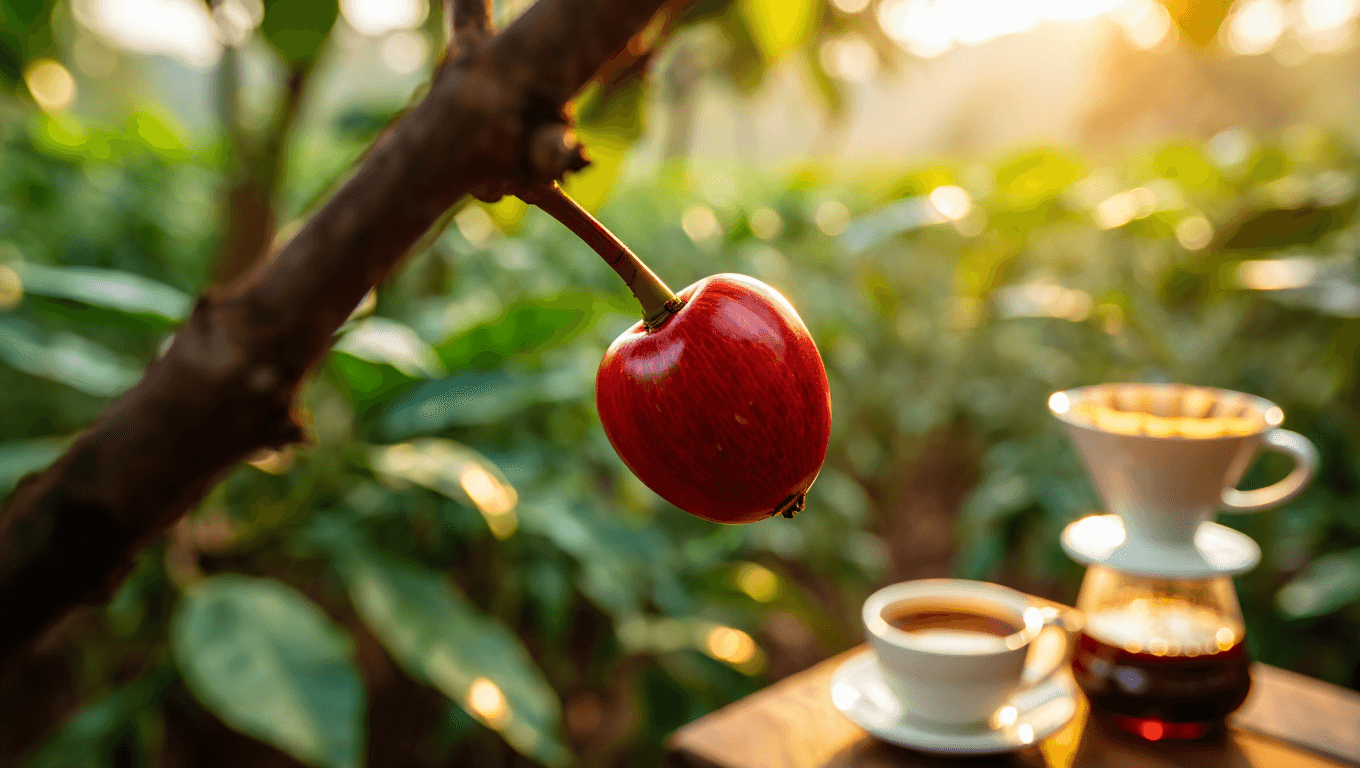
What is a single varietal coffee like SL-28 and why does it matter for Indian coffee lovers?
In the evolving landscape of global coffee culture, the term "single varietal" has become a hallmark of quality and traceability. For the South Indian filter coffee connoisseur, understanding a varietal like SL-28 is the bridge between traditional enjoyment and modern expertise. Originally selected in Kenya during the 1930s by Scott Agricultural Laboratories, SL-28 is renowned for its distinct acidity, complex flavor profile, and remarkable body. When these high-altitude beans are introduced to the Indian terroir—specifically the shaded plantations of the Western Ghats—they take on a unique character that challenges the status quo of commercial coffee. Moving to a single varietal means you are no longer consuming a generic "bulk" bean; you are experiencing the specific genetic heritage and the precise environmental conditions of a single harvest. For those used to the deep, resonant notes of traditional brews, the SL-28 offers an opportunity to experience a brighter, more nuanced cup without sacrificing the structural integrity required for a perfect milk-based filter coffee.
Why is "single varietal" the next logical step in your coffee connoisseurship journey?
Most coffee drinkers begin their journey with convenience-oriented products, often settling for instant powders that prioritize speed over sensory depth. As your palate matures, you naturally seek more "body" and "aroma"—terms frequently associated with the authentic South Indian filter coffee ritual. Transitioning to single varietals like SL-28 or specific S-795 selections represents a shift toward intentional consumption. It allows the drinker to identify specific notes—perhaps a hint of dark chocolate, a floral undertone, or a citrus-like acidity—that are often lost in mass-produced blends. At Coffee S10 Brews, we believe that understanding the origin of your bean is the first step toward mastering the brew. By focusing on single varietals, we offer a transparent look into the craftsmanship of Indian coffee, moving away from the "bitter and burnt" profile of low-grade Robusta toward a sophisticated, balanced cup that celebrates the bean's natural sugars.
How does the SL-28 varietal compare to traditional Indian Arabica selections?
Indian coffee has long been defined by its heavy body and low acidity, largely due to the prevalence of selections like Kent and S-795. While these are foundational to the South Indian filter coffee experience, the introduction of SL-28 brings a "vibrant" dimension to the cup. Where traditional Indian Arabica offers earthy and spicy notes, SL-28 introduces a refined sweetness and a lingering aftertaste that feels cleaner on the palate. However, the true magic happens when this sophisticated varietal is handled with traditional South Indian craftsmanship. Coffee S10 Brews utilizes these high-quality beans to ensure that the base of your decoction is not just strong, but structurally complex. This complexity ensures that even after adding hot milk and sugar, the distinct character of the SL-28 varietal shines through, providing a luxury experience that "hotel coffee" simply cannot replicate at scale.
Why is the 80:20 coffee-chicory blend considered the golden ratio for South Indian filter coffee?
One of the most frequent questions from coffee enthusiasts is: "Why use chicory at all?" The answer lies in the physics of the brew. In a traditional South Indian filter, the goal is to create a thick, viscous "decoction." While a 100% Arabica single varietal is beautiful for black coffee, it often lacks the thickness to stand up to the fats in milk. This is where the 80:20 blend—a signature of Coffee S10 Brews—comes into play. By blending 80% premium, single-origin or high-grade varietal coffee with 20% high-quality chicory, we achieve a synergistic effect. The coffee provides the caffeine, aroma, and complex flavors, while the chicory adds thickness, a deep caramel color, and a subtle woody sweetness. This ratio ensures a rich "crema" on top of your decoction and prevents the final latte-style drink from feeling "watery." It is the secret behind that velvety mouthfeel that defines the authentic Kumbakonam or Mylapore coffee experience.
Understanding the sensory profile: How to identify body, aroma, and aftertaste in your brew
To move from a casual drinker to a connoisseur, one must develop a vocabulary for the senses. When you brew a fresh batch of Coffee S10 Brews, start by analyzing the aroma. A high-quality single varietal will release volatiles that smell like toasted nuts, cocoa, or even jasmine. Next, consider the body—this is the weight of the coffee on your tongue. Thanks to our controlled roasting process, our 80:20 blend offers a heavy, syrupy body that coats the mouth. Finally, pay attention to the aftertaste. Poorly roasted coffee leaves a dry, ashy bitterness. In contrast, a well-executed single varietal blend leaves a sweet, lingering sensation, often referred to as "cleanliness." Mastering these sensory cues allows you to troubleshoot your brewing technique; for instance, if the coffee feels too thin, you might need a finer grind or a longer extraction time in your brass filter.
Comparison: South Indian Filter Coffee vs. Instant Coffee
To understand the value of the single varietal movement, one must look at the stark differences between processed instant coffee and traditional slow-brewed coffee.
| Feature South Indian Filter Coffee (S10 Brews) Commercial Instant Coffee | ||
| Processing | Small-batch roasted, slow extraction | Mass-produced, freeze-dried or spray-dried |
| Ingredients | Premium Arabica/Robusta + Natural Chicory | Often synthetic additives and low-grade fillers |
| Flavor Depth | Complex; notes of chocolate, nuts, and fruit | Flat, singular bitterness |
| Body/Viscosity | Thick, syrupy decoction | Thin and watery |
| Aroma | Intense, room-filling fragrance | Faint, quickly dissipating scent |
How to brew the perfect decoction using single varietal beans at home
The "pain" many consumers face is the inconsistency of home-brewed coffee. You buy the best South Indian filter coffee powder, but it doesn't taste like the "hotel coffee" you crave. The secret lies in "Brewing Intelligence." To brew like a pro, start with a traditional stainless steel or brass coffee filter. Add 3 to 4 tablespoons of Coffee S10 Brews 80:20 blend. Lightly tamp the powder—not too hard, or the water won't pass through; not too light, or it will extract too quickly. Use water just off the boil (around 92-96°C). Pour a small amount to "bloom" the grounds, wait 30 seconds, then fill the top chamber. The slow drip—taking about 15 to 20 minutes—is what pulls the deep oils and flavors out of the SL-28 or single-origin beans. This patience results in a potent decoction that serves as the perfect canvas for frothy, hot milk. By controlling the grind size and water temperature, you bridge the gap between amateur brewing and professional craftsmanship.
Why Coffee S10 Brews focuses on small-batch roasting and consistency
In the world of specialty coffee, "freshness" is a non-negotiable pillar. Large-scale manufacturers often roast in massive quantities, leading to beans that sit in warehouses for months, losing their volatile aromatic compounds. Coffee S10 Brews disrupts this by employing small-batch roasting. This allows our master roasters to adjust the temperature profile based on the specific moisture content and density of the beans, whether it's an SL-28 varietal or a traditional blend. Small batches ensure that every packet delivered to your doorstep is at its peak flavor window. This consistency is what allows a home brewer to trust that their Tuesday morning cup will taste exactly as vibrant as their Sunday morning ritual. We don't just sell coffee; we provide the reliability of a premium sensory experience through controlled roasting cycles and precision grinding.
Comparison: 100% Coffee vs. 80:20 Coffee–Chicory Blends
Understanding which blend suits your palate is essential for any aspiring coffee connoisseur. Here is how they stack up:
| Attribute 100% Pure Coffee (Single Varietal) 80:20 Coffee-Chicory Blend | ||
| Best Consumed As | Black coffee, Pour-over, AeroPress | Traditional South Indian Filter Coffee (with milk) |
| Acidity | Higher, more "bright" or "fruity" | Muted, more balanced and "mellow" |
| Mouthfeel | Light to medium | Heavy, velvety, and thick |
| Color | Reddish-brown to dark brown | Deep, opaque ink-black |
| Sweetness | Natural bean sugars (honey, berry) | Caramel-like sweetness from roasted chicory |
The role of soil and altitude: Why Indian single varietals are unique
The "Next Step in Connoisseurship" involves understanding terroir—the environment where the coffee grows. Most of the beans used in Coffee S10 Brews are grown at altitudes exceeding 3,500 feet. At these heights, coffee cherries mature more slowly, allowing them to develop higher sugar content and more complex organic acids. Furthermore, Indian coffee is unique because it is "shade-grown." Unlike the sun-drenched plantations of Brazil, Indian coffee estates are often intercropped with pepper, cardamom, and citrus trees under a canopy of forest giants. This biodiversity infuses the soil with nutrients that varietals like SL-28 thrive on. When you sip our coffee, you aren't just tasting a bean; you are tasting the rainfall of the Baba Budan Giri hills and the rich, loamy soil of the South Indian highlands.
Why "hotel-style" coffee is hard to replicate and how we solve it
Many consumers ask, "Why doesn't my filter coffee taste like the one in a high-end South Indian restaurant?" The secret is often twofold: the freshness of the decoction and the quality of the milk. Restaurants often use a heavy-duty commercial filter and high-fat milk, frothed to perfection using the "meter coffee" pouring technique. Coffee S10 Brews provides the missing piece of this puzzle—the professional-grade powder. By providing a blend that mirrors the specifications used by master "Coffee Wallahs," we empower you to achieve that same strength and aroma at home. Our "Brewing Intelligence" resources guide you on the proper milk-to-decoction ratio (usually 3:1) and the importance of creating "bubbles" or froth to aerate the coffee, which enhances the perception of flavor.
Comparison: Hotel-Style Coffee vs. Standard Home-Brewed Coffee
| Comparison Factor Hotel/Restaurant Style Coffee Standard Home-Brew (Non-Specialty) | ||
| Decoction Strength | Very High (First press only) | Low to Medium (Often over-diluted) |
| Milk Quality | Full-fat, consistently frothed | Varies, often boiled too long |
| Powder Quality | Freshly ground, specific 80:20 ratio | Store-bought, stale, or generic ratio |
| Aroma Profile | Nutty, buttery, and lingering | Weak or overly acidic |
| Coffee S10 Solution | Matches hotel-grade grind and blend | Elevates home brew to professional levels |
Moving beyond the basics: Investing in brewing intelligence
Being a coffee connoisseur isn't just about what you drink; it's about the "how." Coffee S10 Brews is committed to "Modern Accessibility," which means we provide the tools and education to help you succeed. This includes understanding the impact of water quality (filtered water is always best), the importance of cleaning your brass filter to avoid metallic aftertastes, and the science of "stretching" milk to create the perfect foam. As you explore single varietals like SL-28, you'll find that small tweaks in your ritual—like warming your dabara before pouring—can significantly enhance the drinking experience. We see ourselves as your partner in this journey, transforming a daily caffeine habit into a mindful, artisanal ritual that honors South Indian heritage while embracing modern quality standards.
Frequently Asked Questions About South Indian Filter Coffee
1. Why is the 80:20 coffee-chicory blend better than 100% coffee for filter coffee?
The 80:20 ratio is specifically designed for milk-based coffee. Chicory increases the thickness and extraction rate of the decoction, allowing the coffee's flavor to hold its own against the creaminess of the milk. 100% coffee can often taste thin or "lost" when mixed with milk and sugar.
2. What makes SL-28 different from other coffee varietals in India?
SL-28 is a celebrated Kenyan varietal known for its high acidity and complex, fruit-forward notes. In India, it is considered a specialty varietal that offers a more sophisticated and cleaner taste profile compared to the more common, earthy S-795 beans.
3. How do I store my coffee powder to keep it fresh?
Coffee’s greatest enemies are oxygen, light, and moisture. Always store your Coffee S10 Brews powder in an airtight container in a cool, dark place. Avoid refrigerating coffee, as it can absorb odors from other foods and moisture from condensation.
4. Is chicory bad for health?
No, chicory is a natural root that has been used in coffee for centuries. It is caffeine-free and contains inulin, a type of prebiotic fiber that can support digestive health. In the context of South Indian coffee, it is used purely for its flavor and structural properties.
5. Why does my home-brewed decoction look thin?
This usually happens if the grind is too coarse or if the coffee powder isn't tamped down correctly in the filter. Ensure you are using a fine-to-medium grind specifically meant for South Indian filters and let the water drip slowly for maximum extraction.
6. Can I use Coffee S10 Brews for black coffee or French Press?
While our 80:20 blend is optimized for traditional filter coffee, many customers enjoy its unique profile in a French Press. For black coffee drinkers, we recommend exploring our 100% Arabica single-origin options for a clearer taste of the varietal's nuances.
Take the next step in your coffee journey
The transition from a casual coffee drinker to a connoisseur is a journey of discovery. By understanding the nuances of single varietals like SL-28 and the functional brilliance of the 80:20 blend, you are reclaiming the craft of traditional South Indian coffee. At Coffee S10 Brews, we are dedicated to providing you with the highest quality beans, roasted with precision and delivered with the expertise you need to master the brew at home.
Ready to elevate your morning ritual? Explore our range of premium blends and single-origin selections. Discover our detailed brewing guides and join a community of enthusiasts who value authenticity, craftsmanship, and the perfect cup of filter coffee.