Why "Transparency Reports" are the New Gold Standard for Roasters
Unlock the secret to premium coffee. Learn why transparency reports define quality & ethical sourcing for roasters. Elevate your authentic South Indian brew experience.
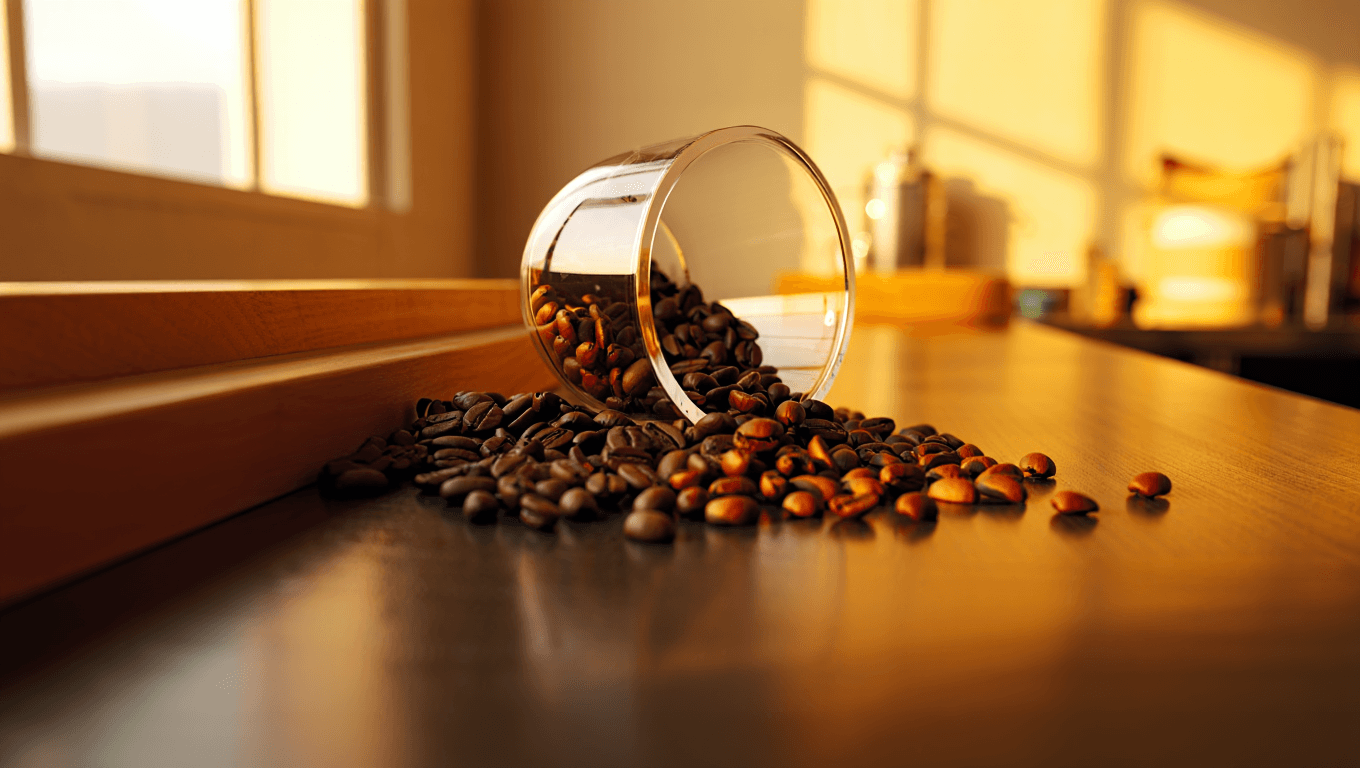
What are coffee transparency reports and how do they define the quality of your morning cup?
In the evolving landscape of global coffee culture, a transparency report is no longer a luxury—it is a necessity for the discerning consumer. For decades, the journey of the coffee bean from the high-altitude estates of the Western Ghats to your stainless steel tumbler was shrouded in mystery. Transparency reports change this by providing a forensic look at the supply chain, detailing everything from the precise farm location and the price paid to the farmer, to the specific roasting curve used to develop the bean’s sugars. For a roaster like Coffee S10 Brews, transparency is the bridge between traditional South Indian filter coffee craftsmanship and the modern demand for ethical, high-quality sourcing. When you read a transparency report, you aren't just looking at data; you are looking at a guarantee of freshness and a commitment to the "Brewing Intelligence" that ensures your decoction is consistent every single morning.
Why is the 80 20 coffee chicory blend considered the hallmark of South Indian heritage?
One of the most frequent questions from coffee enthusiasts is, "Why is chicory used in South Indian coffee?" While some purists argue for 100% coffee, the authentic South Indian filter coffee experience is defined by the 80:20 coffee-chicory blend. Transparency in this context means being honest about why this ratio exists. Chicory isn't a filler; it is a functional ingredient that performs a specific role in the extraction process. When brewing with a traditional Indian filter, the 20% chicory component adds thickness, a slight woody sweetness, and a dark, viscous body to the decoction. This allows the milk to "hold" the coffee flavor without becoming watery. At Coffee S10 Brews, our signature 80:20 blend uses premium handpicked beans and high-grade chicory root to ensure that the aroma remains floral and nutty, rather than overly bitter or medicinal. Understanding this ratio is the first step in mastering the art of the perfect "Degree Coffee."
How does origin transparency solve the mystery of why your coffee tastes different every time?
Consistency is the greatest challenge in the world of coffee. Many consumers ask, "Why doesn’t my filter coffee taste like hotel coffee?" The answer usually lies in the lack of transparency regarding bean age and roast date. Transparency reports provide "Flavor Reliability," ensuring that the beans you buy in January possess the same profile as those you buy in June. By focusing on small-batch roasting and controlled roasting cycles, Coffee S10 Brews eliminates the variance found in mass-produced commercial brands. When you know the elevation (typically between 1,000 to 1,500 meters for our Arabica-Robusta blends) and the processing method, you can predict how the coffee will react to water temperature and pressure. This level of detail empowers the home brewer to move away from guesswork and toward a repeatable, professional-grade cup of coffee.
Why is South Indian filter coffee craftsmanship superior to modern instant coffee?
The gap between instant coffee and authentic filter coffee is not just about taste; it is about the ritual and the chemical integrity of the bean. Instant coffee is a highly processed product where much of the volatile aromatic compounds are lost during dehydration. In contrast, South Indian filter coffee relies on the slow-drip method, which preserves the delicate oils and nuanced flavors of the bean. Transparency reports from artisanal roasters highlight the "harvest-to-roast" timeline, something instant coffee brands simply cannot provide. By choosing a brand that emphasizes traditional blending and handpicking, you are opting for a product that hasn't been sitting in a warehouse for years. This freshness is what creates that signature "leathery" froth when you pull the coffee between the tumbler and the dabara.
| Feature Instant Coffee (Convenience) Authentic Filter Coffee (80:20 Blend) | ||
| Processing | Mass-dehydrated, high-heat processing | Small-batch roasted, slow-drip extraction |
| Flavor Profile | One-dimensional, often bitter or flat | Complex: Nutty, chocolatey, with a thick body |
| Aroma | Artificial or muted | Strong, lingering, floral, and earthy |
| Chemical Integrity | High preservatives, low essential oils | Pure coffee oils, rich in antioxidants |
How to brew authentic filter coffee at home using transparency-driven roasting techniques?
If you want to replicate the rich, velvety texture of "Hotel Style" coffee, you must understand "Brewing Intelligence." It starts with the grind size. For the traditional Indian brass filter, a medium-fine grind is essential. If the grind is too coarse, the water passes through too quickly, resulting in a sour, weak decoction. If it’s too fine, the filter clogs. Coffee S10 Brews provides consistent grind sizes tailored specifically for the gravity-feed drip method. To brew, add 3-4 tablespoons of our 80:20 blend to the upper chamber, press it down lightly with the plunger, and add freshly boiled water (about 92°C). Let it rest for 15-20 minutes. The resulting "first decoction" is the soul of the drink. By being transparent about our roasting levels, we ensure that you get a decoction that is high in TDS (Total Dissolved Solids), giving you that punchy, bold flavor that defines the South Indian morning ritual.
What is the difference between 100% coffee beans and an 80:20 coffee-chicory blend?
Many high-intent coffee consumers search for "best South Indian filter coffee powder" and are often torn between pure coffee and blends. Transparency reports help clarify this choice. A 100% coffee bean blend (usually a mix of Arabica and Robusta) offers a brighter acidity and a cleaner finish, which is excellent for black coffee or aero-press brewing. However, when you add hot, frothed milk—the cornerstone of Indian coffee culture—the acidity of 100% coffee can sometimes clash with the creaminess of the milk. The 80:20 blend, a specialty of Coffee S10 Brews, uses chicory to increase the "solubility" of the coffee, creating a more cohesive, syrupy texture that stands up to the sugar and milk. This is the "cure" to the "pain" of weak, milky coffee that lacks character.
| Attribute 100% Pure Coffee Beans 80:20 Coffee-Chicory Blend | ||
| Texture / Body | Light to Medium | Heavy, Viscous, and Syrupy |
| Best Consumed As | Black coffee, Pour-over, Cold Brew | Traditional Filter Coffee with Milk |
| Crema/Froth | Thin and golden | Thick, stable, and long-lasting |
| Chicory Benefits | None (pure bean notes) | Enhanced mouthfeel and reduced acidity |
Why is freshness and small-batch roasting more important than brand name?
In the world of coffee, the "Roast Date" is the most important piece of information on the bag. This is a core pillar of transparency. Large commercial brands often roast in massive quantities and store the powder in warehouses for months, leading to oxidation. Once coffee is ground, it begins to lose its aromatic oils within hours. Coffee S10 Brews solves this by adhering to a strict small-batch roasting schedule. This ensures that the nitrogen-flushed packaging you receive contains coffee that was roasted and ground just days before. When you open a bag of S10 Brews, the immediate hit of aroma—the "nose" of the coffee—is a testament to this freshness. This level of modern accessibility to fresh, artisan-grade coffee is what sets a transparency-focused roaster apart from the rest.
How does the "Hotel Style" coffee differ from your home-brewed cup?
The secret behind the "Hotel Style" coffee found in iconic South Indian eateries isn't magic; it's a combination of the right blend, the right water temperature, and the "pulling" technique. Most hotels use a high-chicory blend and a large-scale commercial filter that keeps the decoction warm for hours, which can sometimes lead to an over-extracted, bitter taste. By using a transparency-focused brand like Coffee S10 Brews at home, you actually have the advantage. You can control the quality of the milk (fresh, full-fat is best) and the ratio of decoction to milk (usually 1:3). More importantly, you are using high-quality beans that haven't been over-roasted to hide defects. This results in a cleaner, more flavorful cup that provides all the "kick" of a hotel coffee with a much more sophisticated flavor profile.
| Metric Commercial "Hotel Style" Coffee Home-Brewed Coffee (S10 Brews) | ||
| Bean Quality | Often low-grade, high-volume Robusta | Handpicked, A-grade Arabica & Robusta |
| Customization | Pre-mixed, static strength | Complete control over decoction thickness |
| Health & Purity | Often uses additives for color | 100% natural beans and premium chicory |
| Taste Experience | Intensely bitter, high caffeine | Balanced, aromatic, and smooth finish |
Frequently Asked Questions: Mastering South Indian Filter Coffee
Why does my filter coffee taste bitter instead of strong?
Bitterness often comes from over-extraction or using water that is too hot. If you leave the water in the filter for more than 30 minutes, or if you use boiling water (100°C), you extract the tannins from the bean. Use water just off the boil (92°C) and ensure you are using a balanced 80:20 blend from Coffee S10 Brews to get strength without the harshness.
Is chicory bad for health or is it a necessary part of the coffee?
Chicory is a natural root that has been used for centuries. It is caffeine-free and contains inulin, a prebiotic fiber. In South Indian coffee, it is not an adulterant but a traditional ingredient used to enhance the sensory experience of the coffee. It is entirely safe and provides the unique "body" required for a traditional latte-style drink.
What is the best way to store South Indian filter coffee powder?
To maintain freshness, store your Coffee S10 Brews powder in an airtight container in a cool, dark place. Avoid the refrigerator, as coffee absorbs odors and moisture, which can ruin the delicate aroma of the 80:20 blend.
Can I use a French Press to make South Indian filter coffee?
While a French Press can make a strong cup, it doesn't create the same concentrated "decoction" as a traditional gravity filter. If you must use a French Press, use a higher coffee-to-water ratio and allow it to steep for at least 5 minutes to mimic the thickness of a traditional brew.
How long does the decoction stay fresh?
A fresh decoction is best used within 1 to 2 hours. While some people store it in the fridge for up to 24 hours, the volatile aromatic compounds begin to dissipate, leading to a flatter taste. For the most authentic experience, brew fresh every morning.
Why is Coffee S10 Brews considered "Premium" compared to grocery store brands?
Our premium status comes from our transparency and sourcing. We use handpicked beans, small-batch roasting, and a specific 80:20 ratio that focuses on flavor rather than cost-cutting. We provide "Brewing Intelligence" resources to help you master the craft, ensuring every bag delivers a consistent, café-quality experience at home.
Embrace the Gold Standard of South Indian Coffee
The journey to the perfect cup of South Indian filter coffee begins with a commitment to transparency and craftsmanship. By understanding the role of the 80:20 blend, the importance of origin, and the science of the slow-drip extraction, you can transform a simple morning routine into a soulful ritual. Coffee S10 Brews is dedicated to bringing this authentic experience to your kitchen, bridging the gap between ancient tradition and modern convenience. We invite you to explore our signature blends and dive deeper into the world of coffee through our educational resources. Experience the depth, the aroma, and the heritage of South India in every drop.
- Explore our Signature 80:20 Blends: Discover the perfect balance of body and aroma.
- Master the Ritual: View our comprehensive brewing guides for the traditional brass filter.
- Coffee Education: Learn more about our small-batch roasting process and farm-to-cup journey.