Why "Water Processing" for Decaf Preserves the Most Flavor
Uncover how water processing preserves decaf coffee's authentic, rich flavor. Coffee S10 Brews reveals the secret to truly delicious decaf, perfect for your daily ritual.
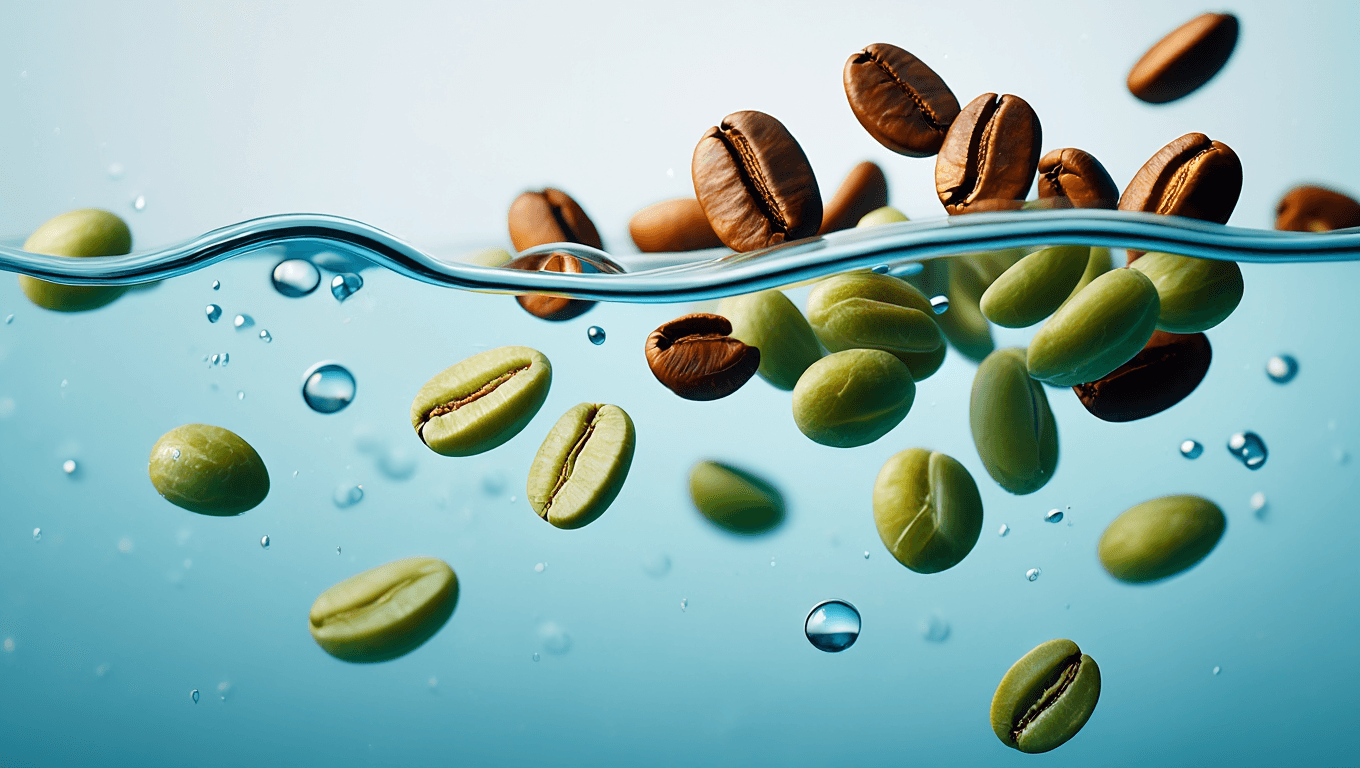
What is water processing in decaf coffee and why does it matter for flavor preservation?
For many coffee enthusiasts, the word "decaf" has long been synonymous with a compromise in flavor. Traditional decaffeination often involves chemical solvents like ethyl acetate or methylene chloride to strip caffeine from green coffee beans. While effective, these chemicals can inadvertently remove the volatile oils and aromatic compounds that give coffee its unique terroir and soul. Water processing, specifically the Swiss Water Process or similar chemical-free methods, represents a paradigm shift in how we approach caffeine-free beverages. By using only water, temperature, and time, this method relies on the principles of osmosis and solubility to remove caffeine while leaving the flavor precursors intact. For a brand like Coffee S10 Brews, which prides itself on authentic South Indian craftsmanship, the integrity of the bean is non-negotiable. Whether you are drinking a full-caffeine 80:20 blend or exploring decaffeinated options, the goal remains the same: a cup that retains its heavy body, chocolatey undertones, and floral aroma.
How does the water processing method preserve the authentic South Indian coffee profile?
The hallmark of a great South Indian filter coffee is its "decoction"—the thick, syrupy extract that forms the base of the drink. This decoction requires beans with high soluble solids. When coffee undergoes water processing, the beans are soaked in hot water, creating a "Green Coffee Extract" (GCE) saturated with all the flavor components but lacking caffeine. Because the GCE is already saturated with coffee solids, when a new batch of beans is introduced, only the caffeine migrates out of the bean into the water, while the flavor oils stay put. This ensures that the resulting decaf coffee maintains the "kick" and structural integrity needed for a traditional South Indian filter. Coffee S10 Brews mirrors this commitment to purity in its roasting process, ensuring that the beans—regardless of caffeine content—undergo a slow, controlled roast to develop the sugars and oils necessary for that iconic hotel-style frothiness.
Why is the 80:20 coffee-chicory blend the gold standard for traditional filter coffee?
Many modern consumers ask, "Is chicory bad or necessary?" In the context of authentic South Indian filter coffee, chicory is not a cheap filler; it is a functional ingredient that defines the beverage's character. An 80:20 blend—comprising 80% premium Arabica and Robusta beans and 20% high-quality roasted chicory—is widely considered the perfect ratio. The chicory adds a woody sweetness and a deep, dark color to the decoction, but more importantly, it increases the thickness (viscosity) of the brew. This allows the coffee to stand up to the addition of hot, frothy milk without becoming watery. Coffee S10 Brews utilizes this signature 80:20 ratio to ensure that every cup delivers a rich crema and a long-lasting aftertaste. By selecting only the finest chicory roots and roasting them to a precise degree, we bridge the gap between traditional craftsmanship and the consistency required by the modern home brewer.
What is the difference between water-processed decaf and solvent-based decaf?
To understand why water processing is superior for flavor, we must look at the science of the bean. Solvent-based methods can leave a subtle chemical aftertaste and often "flatline" the coffee's acidity. In contrast, water processing is a gentle, organic-certified process. It respects the bean's cellular structure. For those searching for the best South Indian filter coffee powder, knowing the processing method of the beans is just as important as knowing the roast date. A water-processed bean retains its hygroscopic properties, meaning it interacts better with the hot water in your brass filter, leading to a more efficient extraction of the decoction.
| Feature Water Processing (Chemical-Free) Solvent-Based Processing | ||
| Flavor Preservation | High; retains volatile oils and terroir. | Medium to Low; can strip subtle notes. |
| Chemical Usage | None; uses only pure water. | Uses Methylene Chloride or Ethyl Acetate. |
| Aftertaste | Clean, sweet, and coffee-forward. | Can have a metallic or chemical finish. |
| Eco-Friendliness | High; water is recycled and filtered. | Lower; requires chemical disposal. |
Why doesn’t my home-brewed filter coffee taste like the "Hotel Degree Coffee"?
The most common pain point for coffee lovers is the inability to replicate the thick, frothy, and intensely aromatic "degree coffee" found in iconic South Indian eateries. The secret lies in three factors: the grind size, the brewing vessel, and the milk. Hotel-style coffee uses a medium-fine grind that is specifically calibrated for a slow-drip metal filter. If the grind is too coarse, the water passes through too quickly, resulting in a weak, sour liquid. If it is too fine, the filter clogs. Coffee S10 Brews provides brewing intelligence to consumers, guiding them on the precise pressure needed to "tamp" the powder in the upper chamber. Furthermore, using a 100% brass filter helps retain heat better than stainless steel, facilitating a deeper extraction. When you combine this traditional technique with an 80:20 blend that has been roasted in small batches, the result is a professional-grade decoction in your own kitchen.
How does grind size impact the strength and aroma of your decoction?
Grind size is the unsung hero of coffee brewing. For South Indian filter coffee, the "decoction" is essentially a concentrated extract. To achieve this, the surface area of the coffee must be high enough to allow for maximum contact with water, but not so high that it creates a sludge. Search queries like "why does South Indian coffee taste stronger?" often lead back to the fact that the slow-drip method extracts more of the heavy molecular compounds than a quick espresso or a French press. Coffee S10 Brews maintains strict consistency in its grinding process, ensuring that every bag of powder has a uniform particle size. This consistency prevents "channeling"—where water finds the path of least resistance—and ensures that every drop of decoction is saturated with flavor. Explore how grind size impacts decoction strength by experimenting with the tamping pressure in your traditional filter.
Is chicory necessary for a high-quality decaffeinated filter coffee?
Even in decaffeinated versions, chicory remains a vital component for those seeking the authentic South Indian experience. Because decaffeinated beans can sometimes feel "lighter" on the palate, the addition of chicory helps restore the lost body and provides a grounded, earthy base. The 80:20 coffee-chicory blend benefits are particularly evident here; the chicory acts as a flavor bridge, masking any slight changes in the bean's profile caused by the decaffeination process. Coffee S10 Brews treats its decaf blends with the same reverence as its flagship products, ensuring that the chicory is roasted to a level that complements the water-processed beans rather than overpowering them.
| Feature 100% Pure Coffee 80:20 Coffee-Chicory Blend | ||
| Body/Texture | Light to Medium; more "tea-like" in filter. | Heavy, syrupy, and viscous. |
| Aroma | High acidity and bright floral notes. | Caramelized, nutty, and deep. |
| Milk Compatibility | Best for black coffee or light milk. | Designed specifically for frothy, full-fat milk. |
| Decoction Yield | Thinner extract. | Dense, dark, and highly concentrated. |
Why is small-batch roasting essential for freshness and consistency?
In the world of commercial coffee, mass-produced beans are often roasted in giant silos where temperature control is difficult to maintain. This leads to uneven roasting—some beans are charred while others remain under-developed. Coffee S10 Brews employs a small-batch roasting philosophy. By roasting in smaller quantities, our master roasters can monitor the "crack" of the bean and the development of the sugars with surgical precision. This is especially important for South Indian filter coffee, where the roast must be dark enough to provide bitterness and body, but not so dark that it tastes burnt. Freshness is the enemy of stagnation; small-batch roasting ensures that the coffee reaching your doorstep was roasted only days ago, preserving the delicate aromatics that define a premium Indian coffee brand.
How to brew authentic South Indian filter coffee at home: A step-by-step guide
Mastering the ritual of the South Indian filter is a journey in patience. Start by adding 2-3 tablespoons of Coffee S10 Brews 80:20 blend to the upper chamber of your filter. Gently press the powder down with the plunger—not too hard, or the water won't pass through, and not too soft, or the decoction will be thin. Pour freshly boiled water over the plunger and close the lid. Wait for 15 to 20 minutes as the water slowly seeps through the compressed powder, collecting in the bottom chamber as a dark, potent liquid. To serve, mix 30ml of this decoction with 100ml of hot, frothy, full-cream milk. Pour the mixture between a tumbler and a dabara to create that signature foam. This process, while seemingly simple, is a meditative practice that honors the heritage of the Kaveri valley coffee plantations.
What role does "Brewing Intelligence" play in the modern coffee kitchen?
Today’s coffee consumer wants more than just a product; they want an experience and the knowledge to perfect it. Coffee S10 Brews positions itself as a guide in this journey. Brewing intelligence involves understanding the variables: water temperature (ideally 92-96°C), water quality (filtered but not distilled), and the age of the powder. By providing clear instructions and educational resources, we empower our community to move away from the "instant coffee" culture, which relies on dehydrated extracts and chemical stabilizers. Authentic filter coffee is a living product. Try an 80:20 blend to experience traditional depth and notice how the nuances of the roast reveal themselves as the cup cools. Discover brewing guides from Coffee S10 Brews to further refine your technique.
| Metric Instant Coffee Coffee S10 Brews (Filter Coffee) | ||
| Preparation Time | 30 seconds. | 15–20 minutes (The Ritual). |
| Flavor Complexity | One-dimensional; often bitter or flat. | Multi-layered; notes of caramel, spice, and earth. |
| Ingredients | Processed extracts, often with stabilizers. | Handpicked beans and natural chicory. |
| Aroma | Fades quickly after opening. | Fills the entire room during brewing. |
Why should you choose handpicked beans over machine-harvested alternatives?
The journey of a great cup of coffee begins on the steep slopes of the Western Ghats. Machine harvesting is efficient, but it is indiscriminate, picking ripe, unripe, and overripe cherries all at once. This leads to "off-flavors" in the final cup. Coffee S10 Brews relies on handpicked beans, where skilled workers select only the "cherries" at their peak ripeness. This selective harvesting ensures a higher sugar content and a more balanced acidity. For our 80:20 blend, we use a mix of Arabica for its aroma and Robusta for its strength and crema. This meticulous attention to detail at the farm level is what separates a premium brand from a generic supermarket option. When you buy from Coffee S10 Brews, you are supporting a chain of craftsmanship that starts with the picker and ends with your morning ritual.
Common questions about South Indian filter coffee and decaffeination
Does decaf coffee lose its health benefits?
No. Most of the antioxidants found in coffee, such as chlorogenic acids, are preserved during the water-processing method. While the caffeine content is reduced by 97-99%, the polyphenols that contribute to heart health and metabolic function remain largely intact.
How long does South Indian filter coffee powder stay fresh?
To experience the full aroma, it is best to consume the powder within 4 weeks of roasting. Always store your Coffee S10 Brews powder in an airtight container in a cool, dark place. Avoid refrigeration, as the powder can absorb odors from other foods.
Can I use a French Press to make South Indian filter coffee?
While a French press can produce a strong cup, it cannot replicate the specific density of a decoction made in a traditional drip filter. The pressure and slow-drip nature of the Indian filter are essential for the 80:20 blend's performance.
Is the 80:20 blend suitable for black coffee drinkers?
The 80:20 blend is specifically designed for use with milk. If you prefer black coffee, you may find the chicory's bitterness too intense. For black coffee, a 100% Arabica medium roast is generally recommended, but for the authentic "filter kaapi" experience, the blend is essential.
Why is my decoction sour?
Sourness is usually a sign of under-extraction. This happens if the water temperature is too low or if the coffee powder is too coarse. Ensure your water is just off the boil and that you are using a medium-fine grind like the one provided by Coffee S10 Brews.
Is water-processed decaf more expensive?
Yes, water processing is a more labor-intensive and premium method compared to solvent-based decaffeination. However, the preservation of flavor and the absence of chemicals make it the preferred choice for discerning coffee drinkers who value quality and health.
Embrace the Ritual of Coffee S10 Brews
In a world of instant gratification and fast-paced living, the South Indian filter coffee ritual is a reminder to slow down and savor the moment. Whether you are seeking the bold energy of our signature 80:20 blend or the refined, clean taste of a water-processed decaf, Coffee S10 Brews is dedicated to bringing the authenticity of the plantation to your home. We invite you to explore our range of small-batch roasted powders, traditional brewing equipment, and educational resources designed to help you master the art of the perfect decoction. Taste the difference that craftsmanship, consistency, and a passion for Indian coffee culture can make in your daily cup.